
Automation and Agents
Claude Code Projects: When Parallel AI Work Is Worth It
A practical test for deciding whether Claude Code Projects fits a real multi-step software effort, plus a scorecard that separates coordination gains from extra review and usage.
On this page
- What changed in Claude Projects?
- Why parallel work sounds compelling, and where the promise stops
- The best first pilot is deliberately small
- Separate the work before you split it
- Cloud, local work, and account access are different choices
- The cost is more than the subscription line
- A pilot scorecard that answers the actual question
- Signs the pilot is a good fit
- A two-week pilot plan
- What I would recommend today
A project with several independent coding tasks can make AI work feel less like asking one assistant a succession of questions and more like supervising a small team. Anthropic’s redesigned Claude Code Projects beta is built around that promise: one continuing project conversation coordinates parallel threads, each of which can work separately and report back, according to Anthropic’s launch announcement. The important question is not whether parallel sounds faster. It is whether your work can be divided cleanly enough that the extra sessions, review, and coordination are worth carrying.
VentureBeat’s launch-day coverage also described Projects as a coordination layer above individual coding sessions. That independent reporting supports the product-positioning distinction; it does not establish a measured productivity gain (VentureBeat’s report).
My recommendation is to test it on a bounded, continuing project with two or three workstreams that have clear owners and limited overlap. First ask whether the project is work worth doing: the expected gain should justify coordination and review as well as the coding task. Keep your existing process as the comparison point. Pick a completion measure before starting, and count the review and integration time along with the agent’s activity. Anthropic says several threads draw on the same Claude Code plan limits and use them faster (current Projects guide). No published controlled result establishes how much time the new coordinator saves for a typical team. Treat a pilot as a way to answer that question for your work, not as proof that this setup is universally more productive.
What changed in Claude Projects?
The new Projects experience is different from the older folder-and-knowledge-base Projects people may already use in Claude chat or Cowork (Claude Help Center). Anthropic announced the redesign on September 17, 2026, as a beta starting in Claude Code. Its current help page says the rollout is staged and limited to select Pro and Max subscribers who use Claude Code; it describes Team, Enterprise, and the older Projects experience separately. If the new Projects control is not visible in your account, the beta may not have reached it yet.
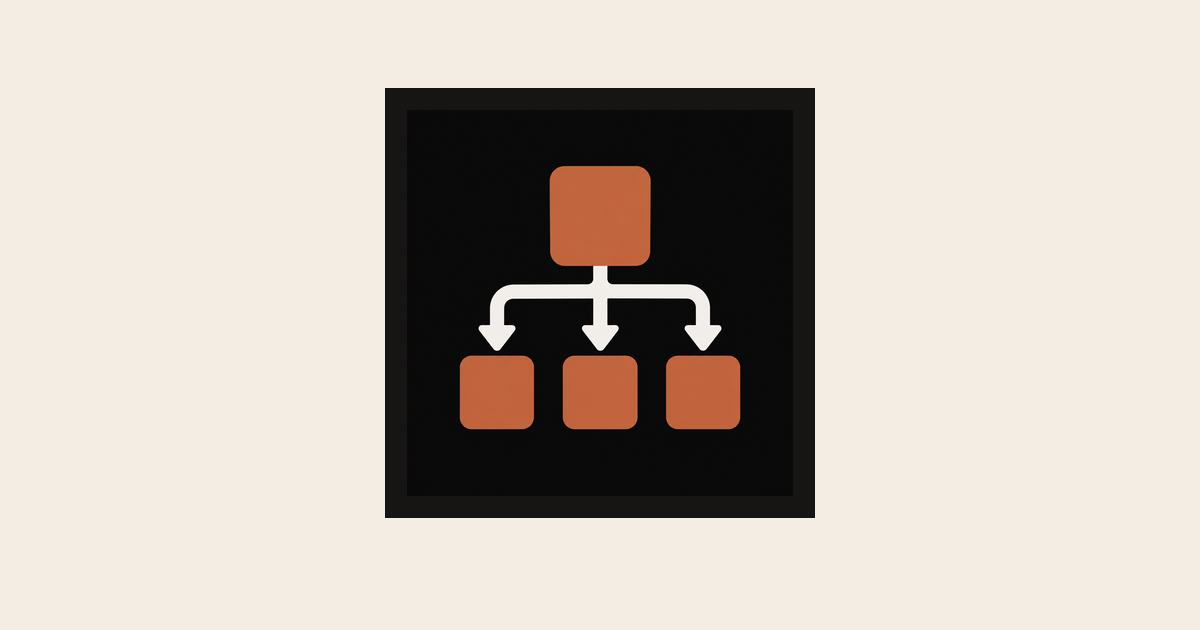
In the redesigned experience, the project conversation is the coordinator. You describe related work, and Claude decides whether to answer in that conversation or open a thread for an assignment. Each thread is a separate session with its own context window. In the cloud, a coding thread works on a separate branch and copy of the repository. It reports back to the coordinator, and it can create a pull request when one is appropriate. The coordinator sees what the threads report, rather than every intermediate action they take.
That structure may reduce one familiar source of friction: repeatedly restoring context before a related task can start. Project instructions, memory, and selected repositories can give new threads shared starting material. A project can also hold the ongoing stream of work, so the person supervising it has a place to see which threads are working, finished, waiting, or ready for review. The product is still a coordination surface around separate work sessions. It does not make those sessions one shared editor or turn a proposed pull request into an accepted change automatically.
Why parallel work sounds compelling, and where the promise stops
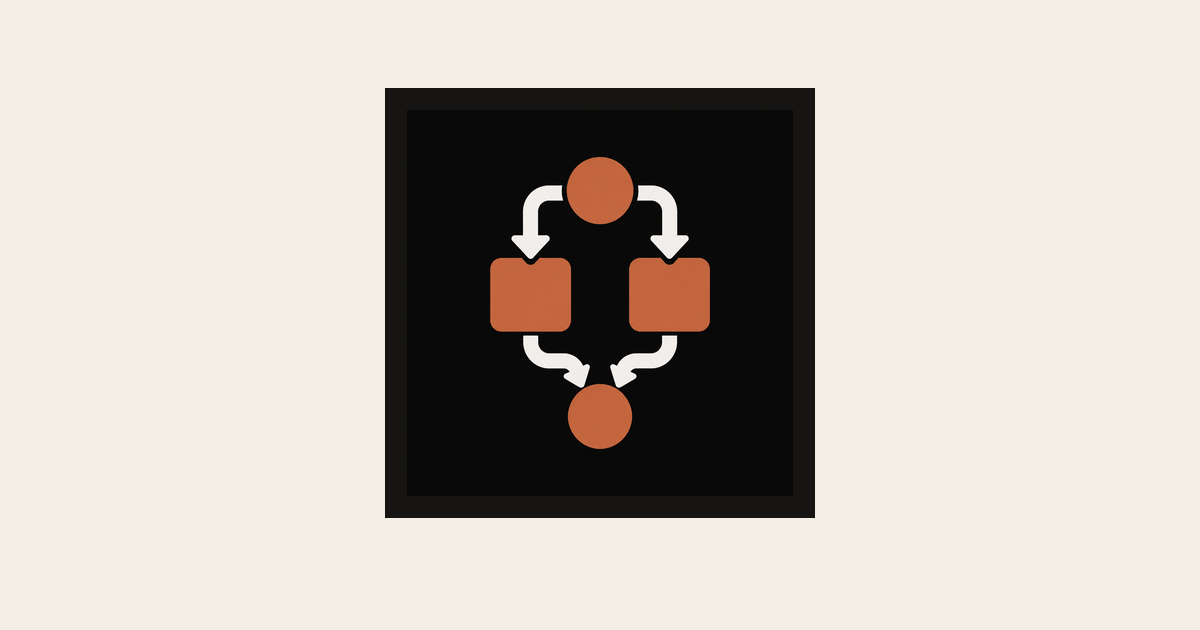
A software initiative is rarely one uninterrupted coding task. It may contain a test repair, a documentation update, a migration, and a change in two services. If each piece can be assigned independently, waiting for one long session to finish before beginning the next can waste calendar time. A coordinator that can launch work in parallel appears to attack that queueing problem.
 View image detail
But elapsed time is only one part of delivery. A team still spends time deciding what to delegate, checking whether the output meets the requirement, resolving overlaps, reviewing code, running tests, and integrating the results. Parallel sessions may shorten the period during which work is in progress while increasing the amount that reaches a human for inspection at once. If the work streams share files or assumptions, the person coordinating them can become the new bottleneck.
This is why “three threads are working” is a weak success measure. It tells you that activity occurred. It does not tell you that the right change was made, that a test passed, that a reviewer accepted the result, or that a user received value. The more useful measure begins with the original task and follows it through acceptance. Count how many days passed, how much review was needed, which work was re-done, and whether the result met the same quality bar you use without the project coordinator.
The same distinction between activity and value appears in Rise’s guide to what an AI task really costs: compare accepted work and review effort, not a proxy such as the number of model sessions.
The design question is separability. Can you name tasks with different files, well-defined interfaces, and independent evidence of completion? “Write the API migration tests” and “update the documentation for the new response field” may be separable if the interface is settled. “Change the authorization model across the whole application” may not be: separate threads could make inconsistent assumptions about roles, defaults, or error behavior. The coordinator does not resolve an unclear requirement merely by creating more threads.
The best first pilot is deliberately small
Start with a task that matters but has a modest blast radius. Choose a real project with a clear goal, a repository the account can access, and two or three parallelizable work items. Avoid a production-critical migration, a security-sensitive permissions redesign, or a task whose success depends on a local service you have not connected. The first pilot should teach you about the workflow, not test how much risk you can tolerate.
 View image detail
Write the goal in terms of an outcome, not a thread count. For example, “Reduce the number of open defects in the export flow and leave a reviewable plan for the remaining ones” is easier to assess than “Have Claude run five agents.” Then identify the allowed repositories, starting branch, expected test evidence, files that should not change, and conditions that require a person to stop the work. Put durable instructions where new threads will actually receive them. Anthropic’s guide distinguishes project instructions and project memory from local machine setup; cloud threads do not inherit an arbitrary local Claude Code configuration just because it exists on a developer’s computer.
Keep the initial batch limited. Ask the coordinator to propose a few threads before starting when you are unsure how it will divide the task. Check each thread’s scope before allowing it to run. Once you understand how the project handles context and reviews, you can widen the batch if the task justifies it. The current guide recommends starting with a small real piece of work and observing what assumptions the thread makes. This is sensible operational advice because it lets you correct the project brief before the same wrong assumption appears in several branches.
You also need an ordinary baseline. Select a previous task of similar scope or run one small part through your existing process. Write down what makes the comparison reasonably fair: repository, test burden, review criteria, number of tasks, and whether the task required specialist knowledge. Do not claim that one pilot proves a general speedup. You are learning whether this workflow fits your context under these conditions.
Separate the work before you split it
A useful work breakdown gives each thread one result it can produce and one way you can check it. Imagine a release that touches three services. A weak breakdown assigns one thread to each service without specifying how the services must agree. One thread might rename a field, another might treat it as optional, and the third might document a different default. Each pull request could look locally plausible while the combined release violates its contract.
 View image detail
A stronger breakdown starts with the shared contract. The coordinator or a human first records the names, types, defaults, error behavior, and compatibility rule for the interface. After that agreement is visible, separate threads can update each service against the same contract. Each thread receives a distinct scope and a specific test or review condition. A separate human then checks that the pieces fit together. This is a proposed way to structure a pilot, not a claim that Projects automatically produces a correct architecture decision.
The same principle applies to code ownership. If multiple tasks need to change the same central file, do not assume their separate branches will merge without effort. Independent branches make changes easier to inspect in isolation, but parallel edits still have to meet. The current product guide treats overlapping edits as an ordinary merge-conflict problem. Estimate that integration work before promising that parallelism will reduce the project’s total effort.
One simple table can make the division inspectable before work starts:
- Test coverage: Owned result: Focused tests for one service; Shared assumptions: Agreed API contract; Completion evidence: Tests run and expected failure modes covered; Human decision: Reviewer accepts test scope
- Service implementation: Owned result: Change to one service; Shared assumptions: Same API contract and compatibility rule; Completion evidence: Unit or integration tests pass; Human decision: Reviewer inspects behavior and diff
- Documentation: Owned result: Updated user and maintainer guidance; Shared assumptions: Final names and defaults; Completion evidence: Links and examples match implementation; Human decision: Owner approves wording
The matrix is intentionally ordinary. It makes the job smaller than the feature and exposes the seams where independent work must connect. If you cannot fill in the “shared assumptions” column, there is probably a product or architecture decision to settle before threads start coding.
Cloud, local work, and account access are different choices
Most coding threads in a project run as cloud sessions. The guide says those sessions operate against the project’s repositories and cloud environment; they do not automatically inherit the setup on your own machine. The current prerequisites for code work include a GitHub.com repository, push access through the connected account, and installation of the Claude GitHub App. The documentation distinguishes that from other Git hosts. A team should check these conditions before treating a missing repository or authorization prompt as a model failure.
 View image detail
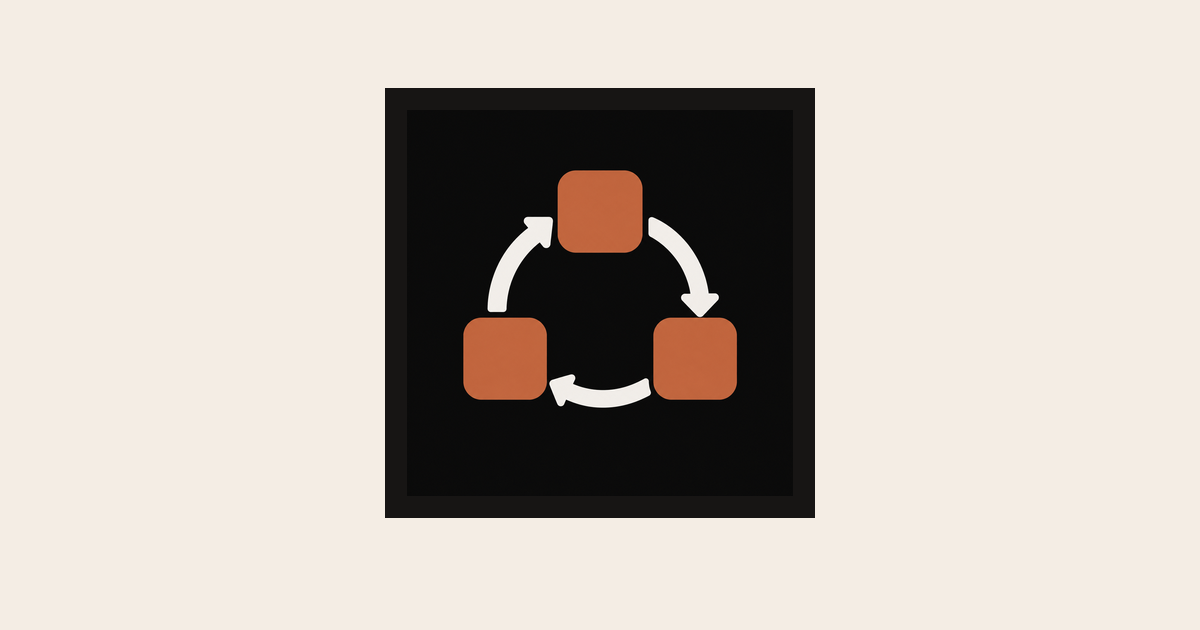
Some work needs a tool, database, emulator, file, or network connection that exists only on a developer’s device. Current Claude Code Projects documentation says a user can ask for an individual thread to run locally through Remote Control. The documented flow requires Claude Code version 2.1.280 or later on the device and a connected folder. The user must choose the folder and allow the specific thread. The local computer must remain awake with Remote Control active for that work to continue. A local thread uses the machine’s environment and permission rules, and starts with project instructions but not project memory files loaded. It is not interchangeable with a cloud thread.
This updated documentation matters because the launch announcement described local execution as a future possibility. The current guide now documents it, with explicit prerequisites. An article that only repeats launch-day wording would be stale. At the same time, the feature does not mean every private local database or enterprise network is automatically reachable by a cloud worker. Choose the execution mode based on where the needed tools and data are, and review the actual account environment before sending sensitive work to it.
The cost is more than the subscription line
Anthropic’s current guide says that projects draw on the same plan limits as other Claude Code sessions and consume them faster when several threads run. That is a direct operational cost even when there is no separate per-thread invoice. It can affect what else an individual can do with the plan during the same period. More activity is not automatically more value.
 View image detail
There is also a review cost. Every additional result is another branch, set of tests, diff, and set of assumptions to understand. If a thread repeatedly needs human steering, the project may move effort from writing context before each session to supervising work after it starts. That can still be useful, especially if the thread produces reviewable artifacts while the person focuses elsewhere. The point is to count the supervision instead of assuming it disappears.
For each pilot, note how many threads you started, how many completed with the requested evidence, how many needed correction, and how much review and merge time they created. Record usage impact using the plan’s own usage indicators rather than estimating token cost from vague activity. Do not compare one task’s nominal session count with another task’s outcome unless their complexity and review requirements are similar. A short, single-file change and a multi-repository migration are not fair peers.
Set the review boundary before you test the workflow. Rise’s practical review framework for unattended coding offers a related way to decide what an agent may do alone and where a person should inspect the evidence.
The project guide also calls out a simpler alternative: when one task fits in one session, start a cloud session yourself; when every task needs local tools, use a local session or agent view; and when the job is a recurring scheduled task without conversation, a routine may fit better. This is useful because it prevents the coordinator from becoming the default for work that does not need coordination.
A pilot scorecard that answers the actual question
Before a run, choose one outcome metric, one quality measure, one coordination measure, and one stop condition. Keep the scorecard short enough to use. For example, compare accepted changes per reviewer hour, or elapsed time from assignment to accepted pull request, but pair the timing with whether required tests and review criteria passed. Count rework, conflicts, waiting for permission, and repeated clarifications. The number of running threads is context, not the score.
 View image detail
Record what happened without forcing a conclusion. If the project finishes earlier but requires an extra day of integration, the right conclusion may be “calendar time fell, total human effort did not.” If three branches result in two useful pull requests and one discarded approach, count the discarded work as part of the method. If the task was under-scoped or a source system was unavailable, mark the trial inconclusive rather than turning it into either a product win or a product failure.
Here is a proposed scorecard, not an experiment we have run:
- Delivery time: What to record: Assignment to accepted result; Why it matters: Captures calendar time, not just model activity
- Review effort: What to record: Human minutes spent reading, testing, correcting, and merging; Why it matters: Shows whether parallel output created a review queue
- First-pass acceptance: What to record: Pull requests accepted without substantial rework; Why it matters: Separates useful drafts from extra work
- Integration friction: What to record: Conflicts, duplicated edits, incompatible assumptions; Why it matters: Tests whether tasks were independent enough
- Usage impact: What to record: Plan-usage change noted from account controls; Why it matters: Makes resource consumption visible
- User or project outcome: What to record: The original task’s intended measure; Why it matters: Prevents tool activity from standing in for value
Use comparable tasks where possible and retain the raw notes. A before-and-after comparison is not a controlled study if the tasks differ. Even a careful pilot may be affected by reviewer familiarity, task complexity, or a release deadline. Be exact about what it shows: “This bounded two-repository pilot produced accepted changes with less elapsed time, while review time stayed similar” is more useful than “Claude is faster.”
Signs the pilot is a good fit
A project is a stronger candidate when the work lasts longer than one session, related tasks keep arriving, or several repositories must be updated against a stable interface. It helps when each contribution produces evidence a reviewer can inspect, the team already knows its code conventions, and people can respond to approval prompts or PRs in the time the work requires. A project’s instructions and memory can reduce repeated context setup when they contain reliable, current facts.
 View image detail
The workflow is less attractive when the task is small enough to finish and review in one session, when its core requirements are still changing, or when all work depends on a local environment that has not been connected. It may also be a poor fit for a small team already overloaded with code review. Sending more changes to a queue that nobody can inspect does not improve throughput. If a human is the limiting step, parallel agents can make that queue longer.
There is another subtle mismatch: a project can maintain shared memory, but memory is not the same as a formal control. The current guide describes memory as notes Claude keeps about decisions and pitfalls. That is helpful continuity. It is not a policy engine that can guarantee a thread follows a particular decision in every circumstance. Put requirements that must be followed in explicit instructions, protect sensitive changes with repository policy and review, and verify the output itself.
A two-week pilot plan
If the work is suitable, a short trial can answer useful questions without making the beta a permanent dependency. In the first session, write the goal, choose one repository or a small set, establish the test and review expectations, and define the no-go conditions. Ask Claude to suggest a small decomposition. Human owners check the list for duplicated or interdependent assignments before threads start.
 View image detail
During the pilot, keep a record of clarifying questions, approval stops, branch changes, failed checks, and reviewer time. Capture exact changes that were discarded and why. If you used local Remote Control, note the version, folder approval, whether the computer stayed awake, and which tools were local. If a project thread needed broader repository access than planned, stop and revisit the scope instead of treating access expansion as a harmless convenience.
At the end, compare the result with a similar item from the existing workflow. Ask: Did the project reduce repeated handoffs? Did it produce code the team could review? Did shared instructions stay accurate? Were there merge conflicts or hidden dependencies? Did human review move earlier, later, or become harder? Did plan usage crowd out other work? Would you choose this workflow for the next task of the same shape?
A “yes” does not have to mean turning every future coding task over to a project. The result may justify using it for one recurring migration pattern and keeping small fixes in a normal session. A “no” may still teach you that your task breakdown is unclear or your review process lacks a named owner. Both outcomes can be productive if the trial’s limits were honest.
What I would recommend today
Claude Code Projects is worth a cautious trial when you have an ongoing goal with genuinely separable tasks, code that sits in a supported repository, and enough human capacity to inspect each result. Set up the instructions and review conditions first. Keep the initial thread batch modest. Compare accepted outcomes and total human effort to a real baseline. Increase scope only when the first results show that the team can govern and integrate them.
Do not treat the launch as evidence that parallel agents make software teams faster. The product offers a way to coordinate sessions; the outcome still depends on task structure, context quality, repository access, tests, and review. Its own documentation tells you that several threads use plan limits faster and that local work has different availability and uptime requirements. Those constraints belong in the decision.
The practical promise is not “Claude does the project while you walk away.” It is “one place can coordinate related work and return separate pieces for a person to judge.” If that removes repeated setup without hiding the decisions that matter, it may fit. If it only produces more branches than your team can review, the extra concurrency has not solved the real problem.
Checked for this article
Sources
Keep going
Related notes.
Automation and Agents
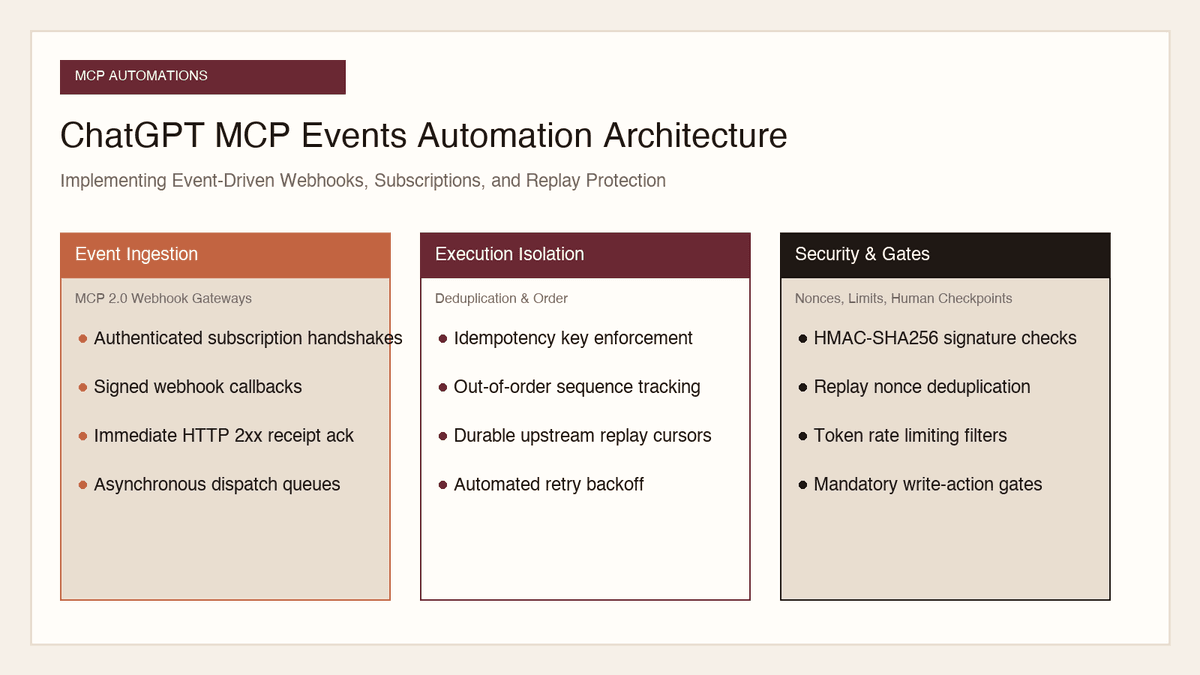
How to Implement MCP Events in ChatGPT: Event-Triggered Automations
Autonomous conversational agents no longer need to rely on wasteful polling loops. Here is how to implement event-triggered automations using ChatGPT MCP Events.
Read the article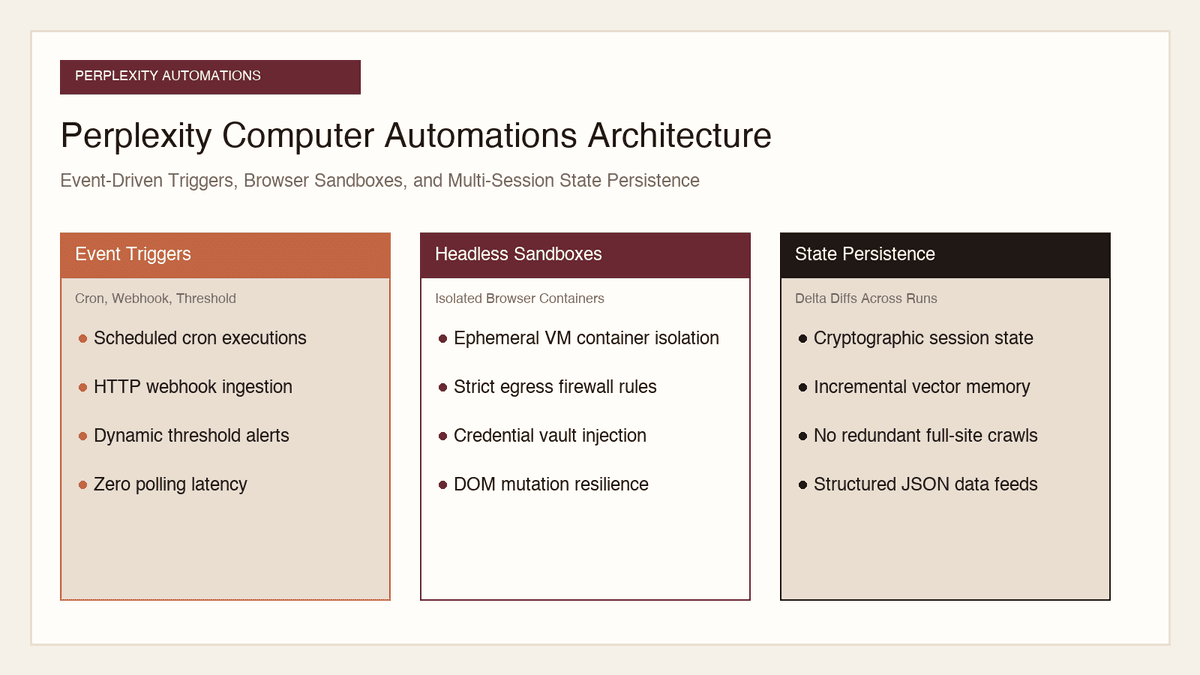
Automation and Agents
How to Build Recurring Web Automations with Perplexity Computer
Web scraping scripts break whenever a layout shifts. Here is how to build durable, recurring web automations using Perplexity Computer and persistent state.
Read the article
Automation and Agents
How to Benchmark Classifier Models: Latency, Cost, Determinism
Evaluating AI classifiers requires looking beyond static accuracy. Here is how to benchmark probability calibration, latency percentiles, and unit economics.
Read the article