
AI in Practice
Qwen Image 2.1 License: What to Check Before Commercial Use
Publicly downloadable weights are not a commercial-use grant. A team needs to establish permission for its intended workflow, then evaluate the complete operating path and accepted-output cost.

On this page
- Read the grant before treating a download as approval
- Define the intended use in ordinary language
- Keep model-material questions separate from output questions
- Know which copies and modifications the team will carry
- The 7B visual component is not the entire running stack
- Treat integration support as a starting point for verification
- Budget for an accepted output and an owned service
- Separate reference permissions from the model grant
- Do not merge local weights and a hosted service into one product
- Make the permission request concrete enough to answer
- Expand a trial only when its separate checks are complete
- Give the workflow an exit and a durable record
- Write the permission and operating decision together
- Sources and further reading
The published agreement grants model-material use for noncommercial research or evaluation and requires a separate license for commercial use. Define your intended workflow and obtain applicable written permission before treating the weights as a production option. Hardware fit, output questions and hosted-service terms are separate checks.
Qwen Image 2.1 offers a compelling combination: downloadable weights, native transparent generation and image editing in one model. That can make self-hosting sound like an obvious next step for a creative team. The first decision comes earlier than hardware, though. The Qwen Research License dated September 20, 2026 grants use of its model materials for research or evaluation and says commercial use requires a separate commercial license. Public availability and permission for your intended business workflow are different questions.
This guide reads the original model card, release repository and agreement as checked on October 3, 2026, alongside a narrow independent local demonstration. It is a source-aware deployment checklist, not a legal opinion or a benchmark of the checkpoint. The proposed evaluations below have not been performed by Rise. A team should use its own vendor and legal review for the intended activity, while keeping the exact written terms and any separate grant available to the people responsible for the system.
Read the grant before treating a download as approval
The model card identifies the model's license as the Qwen Research License Agreement. The repository includes the full agreement. Its definition of noncommercial use is research or evaluation, and section 2 limits the published grant to that purpose. Section 2 also directs commercial users to request a separate license from Qwen. Those are concrete conditions in the released materials, not a conclusion drawn from the word “research” in a headline.
The release's use of the phrase “open-source” does not replace those conditions. For this operating decision, describe the artifact precisely: downloadable weights under a research license. Do not equate a public repository, visible code or a functioning local pipeline with a commercially permissive grant. A model can be technically accessible while the use you want still requires a separate agreement.
Keep a copy or stable reference to the actual version reviewed, along with the date and the intended workflow. If the terms change or you receive a separate grant, preserve that evidence rather than relying on a teammate's memory that permission was “sorted.” The record should let the operator distinguish a private evaluation from an approved operating use without reopening the entire research discussion each time the pipeline runs.
 View image detail
Define the intended use in ordinary language
Before asking whether the model is permitted, describe what the team wants to do. Who runs the weights? Who supplies the inputs? Who receives the images? Is the activity an internal evaluation, production support for a paid client, an image service offered to other users or a modified model distributed to another team? Those activities should not be collapsed into one vague plan to “use Qwen for design.”
A concrete statement might describe a noncommercial comparison of transparent asset workflows using fictitious subjects. Another might describe a production service that generates layered assets for paying customers. These are hypothetical examples, not determinations that either activity satisfies a particular agreement. Their purpose is to reveal what the reviewer needs to ask. A permission request that names the actual workflow is more useful than a general question about whether the model is free.
List what you intend to retain or distribute as well. Raw outputs, edited assets, workflow files, model modifications and copies of the weights are different objects. The person reviewing the grant should know which ones are involved. If the use expands later, revisit the record. Permission for a scoped evaluation should not silently become permission for a different service simply because the same checkpoint and computer remain in use.
 View image detail
Keep model-material questions separate from output questions
The agreement defines the materials to include the Qwen model and documentation, with weights and several kinds of model-related code described in its definitions. The model-material grant is therefore relevant to running, modifying or redistributing those released components. Read the original definitions when reviewing the intended activity. Do not substitute a social post's summary for the agreement that accompanies the actual files.
Questions about generated images are related but separate. Who may use the output? What third-party rights, reference restrictions or service terms apply? Does the requested operating use of the local weights itself require commercial permission? An answer about ownership of an image does not automatically answer the last question. This guide relies on the published model-material grant. It does not treat unverified statements about output rights as broader operating permission.
That separation prevents an especially easy mistake: finding a statement about outputs and treating it as permission to operate a paid image-generation pipeline. Ask the provider for the written terms that cover the intended use of the materials and any unresolved output questions. Keep those answers with the deployment record. The record should answer the stated workflow, with unresolved questions visible.
 View image detail
Know which copies and modifications the team will carry
The redistribution section is conditioned on the agreement's grant. It describes requirements concerning the agreement, modification notices and attribution when distributing the materials or derivatives. A useful internal review asks whether the proposed process actually distributes those objects. Sending a rendered image, sharing a workflow and supplying a modified checkpoint should not be treated as interchangeable actions.
Inventory the files the system needs and identify their origins. Keep the intended model revision, inference components, optional adapters and any modifications legible. A compressed bundle called “image tools” can obscure which model and terms it contains. If a teammate receives model materials, make the accompanying license and notice information easy to find. If the plan involves a separate commercial grant, preserve the grant's own conditions rather than assuming the public agreement supplies the entire answer.
Do not present this inventory as proof of compliance. It is the material the responsible reviewer needs to make a decision. The exact grant and the intended distribution determine the relevant obligations. A technical operator can keep provenance and copies organised without pretending to issue a legal clearance. When a question is unresolved, record it as unresolved and keep that proposed use outside the approved scope.
The 7B visual component is not the entire running stack
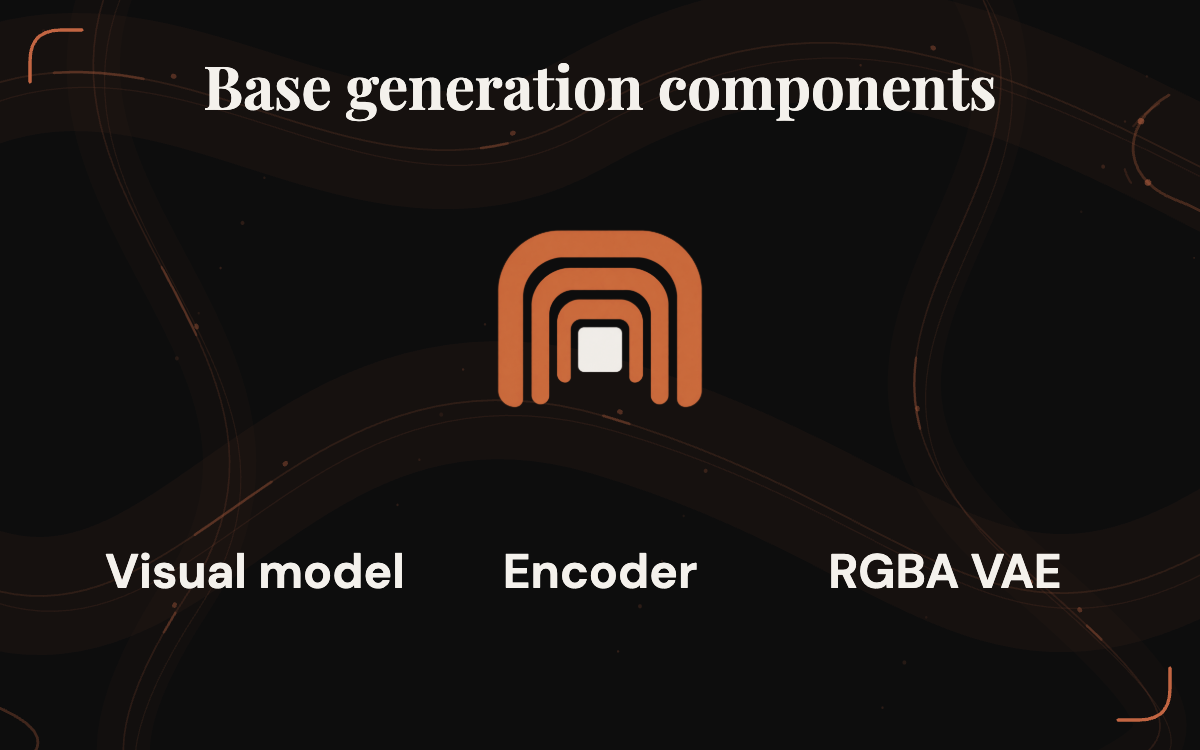
Qwen's release repository describes a seven-billion-parameter visual generation component. Its architecture section separately lists a Qwen3-VL 8B text encoder and an RGBA autoencoder. It also documents optional prompt-rewriting checkpoints based on Qwen3.5-VL 9B, one for generation and another for editing. The seven-billion figure should not be presented as the parameter count or memory footprint of every component used by the full workflow.
For an operating plan, identify what will actually load and where it will run. Are prompt rewriting and image generation handled on the same machine or different systems? Are reference images part of the request? Which output sizes and concurrent jobs are needed? Does the workflow use offloading or a quantised component? These choices can change the resource profile. A parameter count cannot answer those questions on its own.
The repository's samples use CUDA and bfloat16, with forty denoising steps. They also show a model CPU-offload option and describe caching and serving integrations. Those are documented starting points, not a minimum RAM recommendation or a performance measurement for your workstation. This article supplies no invented hardware floor or seconds-per-image figure. Establish the complete stack and then evaluate it under the use you are actually allowed to perform.
Loop Forge's local test reports an RTX 3060, 12 GB configuration using int8, with exact prompts and per-output measurements. It shows one constrained operating path can be tested; it does not establish the memory or speed of the repository's full bfloat16 example, another runtime or a production workload. Keep those configurations distinct in a deployment comparison.
 View image detail
Treat integration support as a starting point for verification
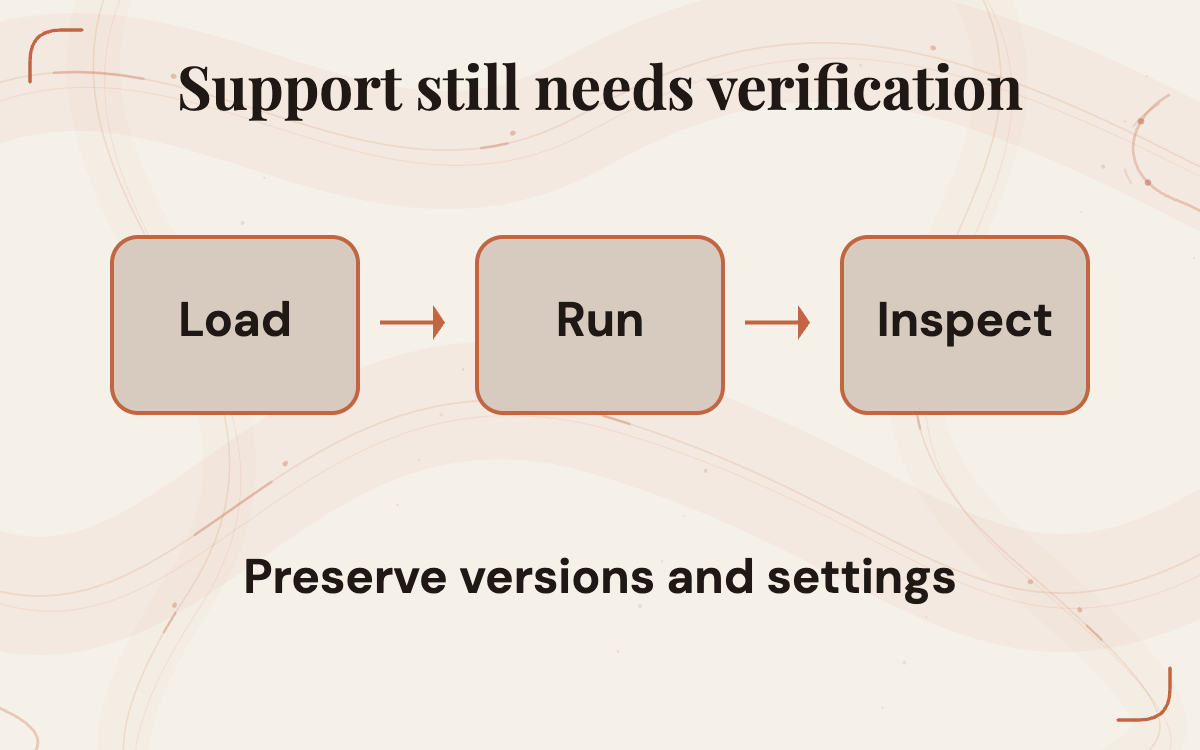
The September 20 repository news entries announce Diffusers and ComfyUI support, alongside other serving and acceleration projects. That is useful evidence of available integration paths. It does not prove that an arbitrary installed version will load the right workflow or that every advertised feature behaves identically across stacks. A team still needs to identify the intended release and check its actual inputs and outputs.
For a bounded evaluation, preserve the model revision, runtime and dependency versions, workflow file, generation settings, references and resulting images. Include optional prompt rewriting, offload and cache settings in the record. If a component changes, mark the change before comparing results. Otherwise an operator may attribute a different outcome to the model when the prompt, output size or operating path also changed.
A loaded graph or completed request is only one check. The asset must meet the intended brief, carry useful transparency where required and survive the final delivery path. A runtime that produces an image has not established permitted use, output fidelity or predictable daily operation. Keep those results separate so the team can improve the failing layer rather than making a broad decision based on one attractive sample.
 View image detail
Budget for an accepted output and an owned service
A local model does not have zero operating cost simply because there is no per-request vendor invoice in the example command. The machine, hosting, energy, storage, maintenance and people's time still belong to the workflow. A commercial license, if obtained, may have its own terms and cost. No current commercial price was verified in this research, so the article does not invent one.
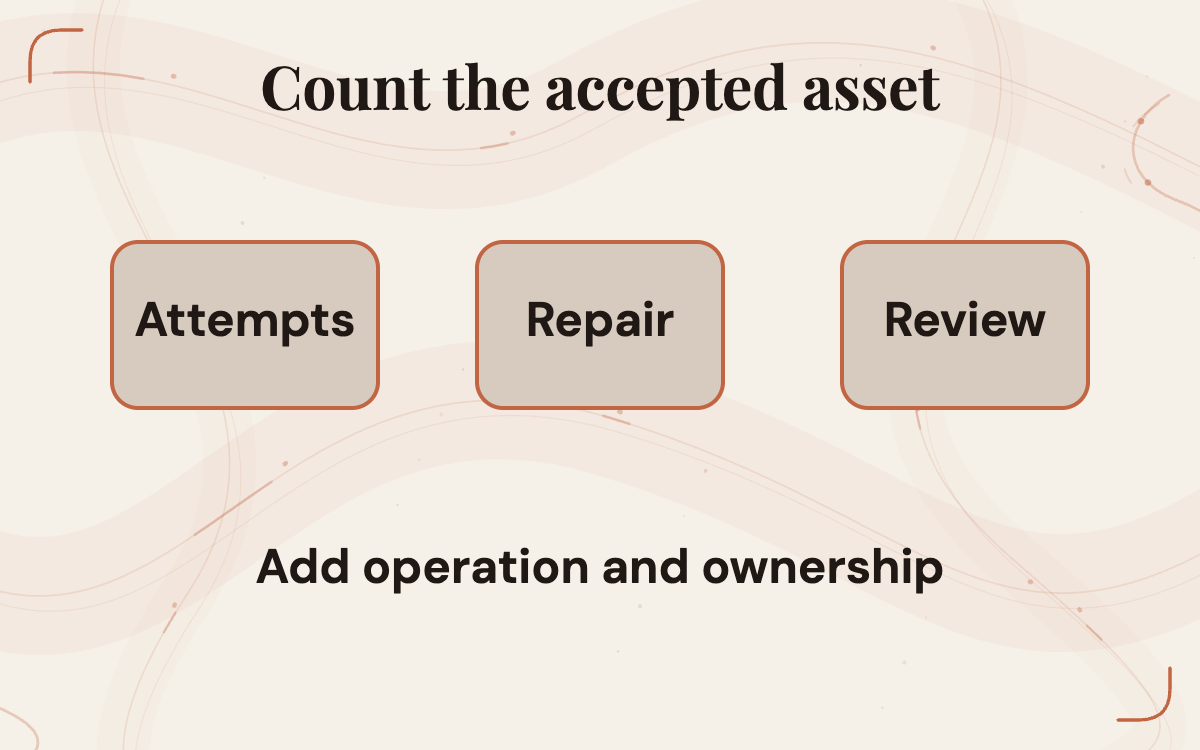
Compare the cost of getting a usable asset, including rejected attempts and review. If the model routinely requires more repair for a particular subject, include that work. If a faster serving path changes quality or reference fidelity, inspect that tradeoff. Keep first-load and repeated-run conditions separate when measuring latency. A warmed cache can be useful without proving a universal performance advantage. Record the workload and conditions beside any result.
Also give the operating path an owner. Someone needs to maintain versions, manage queue behaviour, inspect failures, store provenance and decide when an update should be tested. If that ownership is absent, self-hosting can transfer repetitive work from the designer to an undocumented support burden. Compare that owned service with the current route to an accepted asset. Rise's five-part automation test can help clarify which work a new system is supposed to remove.
 View image detail
Separate reference permissions from the model grant
A license to use model materials is not a universal permission to supply any photograph, customer file or brand asset as input. List the references the proposed workflow needs and establish their permitted handling through the team's existing process. Use appropriately authorised evaluation material. Keep sensitive or restricted inputs out of a trial whose access and storage path has not been reviewed.
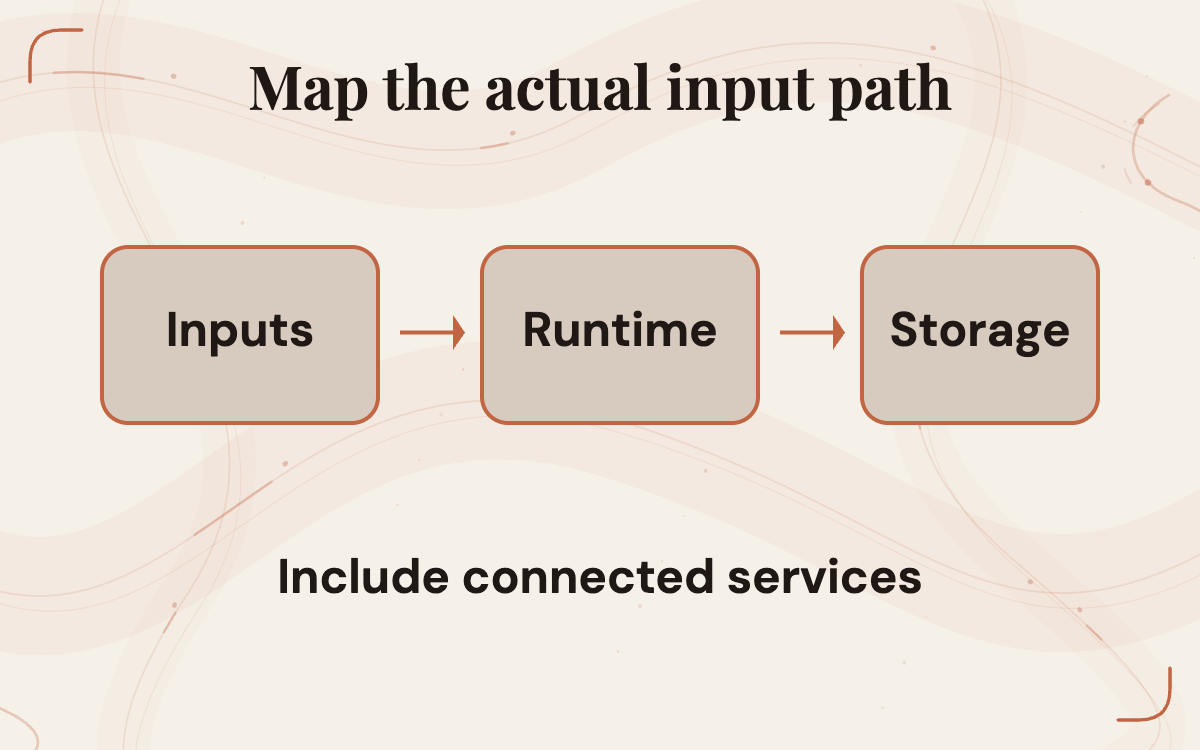
Map where the inputs, prompts, references and outputs travel. A local generation component can still depend on downloads, a separate prompt-rewriting service, remote storage or a shared interface. “Runs locally” does not by itself describe the entire data path. Identify those connections and the people who can inspect the saved material. If a commercial workflow is being proposed, include the actual data handling in the permission and vendor review rather than describing only the machine that runs inference.
Preserve authentic brand files when a design requires them. Qwen's ability to generate or edit imagery does not make a generated approximation of a company's mark suitable for production. Exact logos, typography and regulated or contractual details can remain deterministic inputs to the final composition. The design team still has to review the output and the rights associated with its source material. These are different questions from whether the checkpoint loads correctly.
 View image detail
Do not merge local weights and a hosted service into one product
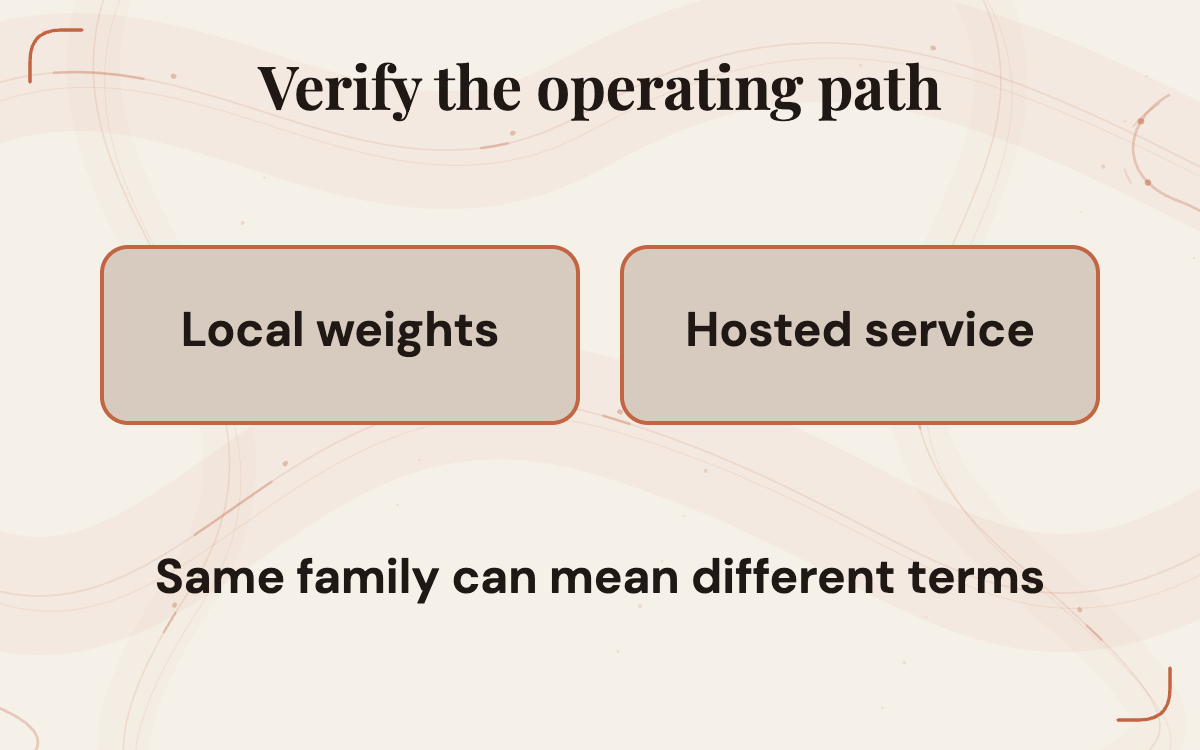
This release's public model card and repository establish a downloadable checkpoint and documented operating paths. They do not, by themselves, identify the terms, price or capabilities of every hosted service that uses a similarly named model. If the team chooses a hosted provider, verify the exact model identifier, the features exposed, input handling, output delivery and the provider's own applicable terms.
That check matters when naming is broad. “Qwen image generation” can refer to a family, a user-facing feature or a particular checkpoint. A service may expose a different revision or omit a workflow feature that exists in the repository. Do not promise native RGBA, a specific reference limit or a commercial-use grant merely because the service uses Qwen branding. Match the desired feature to the exact provider and endpoint before routing production work into it.
Keep the two operating options comparable. For self-hosting, evaluate the complete allowed runtime, ownership and operating cost. For hosting, evaluate its exact feature set, terms and delivered result. This guide does not claim to have verified a supported Image 2.1 hosted endpoint or an API price. An unresolved service identity is a reason to gather the missing facts, not fill the gap with the name of a related model.
 View image detail
Make the permission request concrete enough to answer
The license directs commercial users to request a separate license from Qwen. Prepare a short description of the proposed operating activity before making that request. Include the entity using the materials, the checkpoint, whether it will be modified, who operates it, whether third parties access it and whether the team distributes model materials or only delivers assets. State the output and reference questions that remain unresolved.
Do not send raw customer images or private project files merely to explain the intended use. A plain-language workflow description can establish the question without exposing that material. The person responsible for the agreement can supply further information through the organisation's normal process if needed. This article outlines what to prepare; it does not contact the provider or claim that a license has been granted.
Once an answer arrives, connect it to the deployment decision. Record what is permitted, the applicable conditions, the version or family covered, the agreement owner and any limits that the operating system needs to respect. If the reply does not answer an important part of the proposed activity, keep that part pending. A useful permission record describes a scope that the operator can actually recognise and maintain.
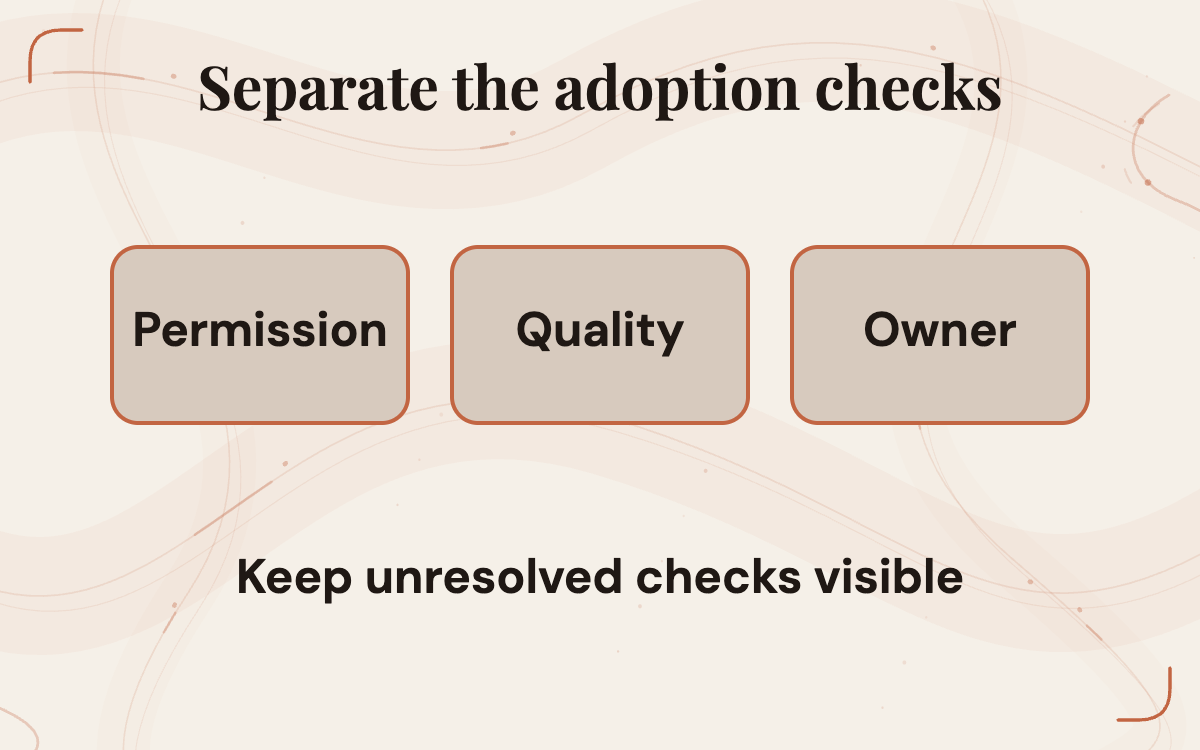
Expand a trial only when its separate checks are complete
Think of adoption as separate decisions. First establish that the intended evaluation is within an appropriate permitted scope. Then run a bounded evaluation and inspect the resulting asset, complete runtime and operating effort. Before moving into commercial production, obtain the applicable grant and review the specific data and deployment path. A promising technical result is evidence for the technical decision, not automatic permission to skip the others.
Consider a hypothetical team whose transparency evaluation works well but whose proposed commercial use still lacks a separate grant. The right next action is to resolve the permission question. More attractive test images will not answer it. Another team may obtain permission but find that reference repair consumes more time than its existing workflow. Its next action is to change the asset family or retain the current method. A third may have both, but no owner for the system. That is an operational gap.
Keeping the decisions separate makes progress clearer. The team can retain what it learned while describing the remaining hold precisely. It need not call the release unusable or declare the entire system ready. A narrow private trial, an approved commercial scope and an operated service are different states, with different evidence attached to them.
 View image detail
Give the workflow an exit and a durable record
Before adopting the pipeline, decide how reviewed assets and operating evidence will be retained. Keep the original output, final derivative, prompt/settings, model revision and applicable permission record distinguishable. A designer should know which image was accepted; an operator should know which stack produced it; and the responsible reviewer should know which use was approved. One folder full of vaguely named downloads will not serve all three jobs.
Also define what happens when the workflow stops fitting. A changed grant, unsupported dependency, failed delivery check or expensive maintenance cycle may require a narrower use or a different provider. Preserve useful accepted assets according to their applicable conditions and the team's normal policy. Identify which model copies, credentials and runtime components the operator is responsible for when retiring the path. Do not improvise a retention or deletion obligation from this article.
The goal is continuity that a person can understand. Self-hosting can give a team more control over an operating path, but that control comes with decisions about versioning, scope and upkeep. A clear record and an exit owner let the team change course without losing the evidence that informed its original choice.
Write the permission and operating decision together
Qwen Image 2.1's transparent generation and editing features justify a focused evaluation. Its published research license also creates a clear initial boundary: model-material use for research or evaluation, with a separate license required for commercial use. Keep that boundary visible when discussing the downloadable weights. Do not convert a public release, a successful graph or a statement about outputs into a broader grant.
For the actual decision, describe the intended use, review the original terms, resolve the applicable permission, identify the complete stack and test a representative asset through delivery. Include rejected attempts, repair, review and maintenance in the operating comparison. Keep reference permissions and hosted-service identity separate from the local-weight grant.
Before adoption, write one short decision: the permitted use, the stack and asset family evaluated, the checks passed, the remaining conditions and the person who owns operation. Keep the supporting grant and test evidence with it. If permission, quality or ownership remains unresolved, name that hold and its next reviewer. A usable decision tells the team what it can do next and which change would require another review.
Sources and further reading
Checked for this article
Sources
Keep going
Related notes.
AI in Practice
Claude Docs Sharing: What to Check Before You Send a Work Link
A pre-send checklist for Claude Docs links: verify recipient access, workspace policy, document version, export and mobile limits before sharing work.
Read the article
AI in Practice
Claude Docs and Slides: When Does One Conversation Help With a Report?
A practical pilot for deciding whether Claude Docs and Slides improves a report-to-presentation workflow, with source checks, baseline comparison and review criteria.
Read the article
AI in Practice
Holo4 for Business: Check Licenses, API Data Terms, and Self-Hosting
Holo4's downloadable checkpoints have different weight licenses, while its hosted API has separate account terms. Learn what to check before choosing a route.
Read the article