
Automation and Agents
Codex Cloud Environments: Is Reusable Setup Worth It?
A reusable coding environment can remove repeated preparation, but it does not prove that work finishes faster. Here is a practical way to test the whole workflow.
On this page
- What the environment actually reuses
- A prepared baseline is not one shared working copy
- Where the time could be saved, and where it may not
- A practical pilot that answers the useful question
- Turn the pilot result into a specific decision
- Measure the whole task, not a flattering stopwatch
- Repository refresh and setup drift
- When to publish, and when to stay with the current path
- A decision rule for the team
- Mobile continuation is useful, but not magic
- Keep source control and human review in the loop
- Choose one task before expanding the setup
- Sources and further reading
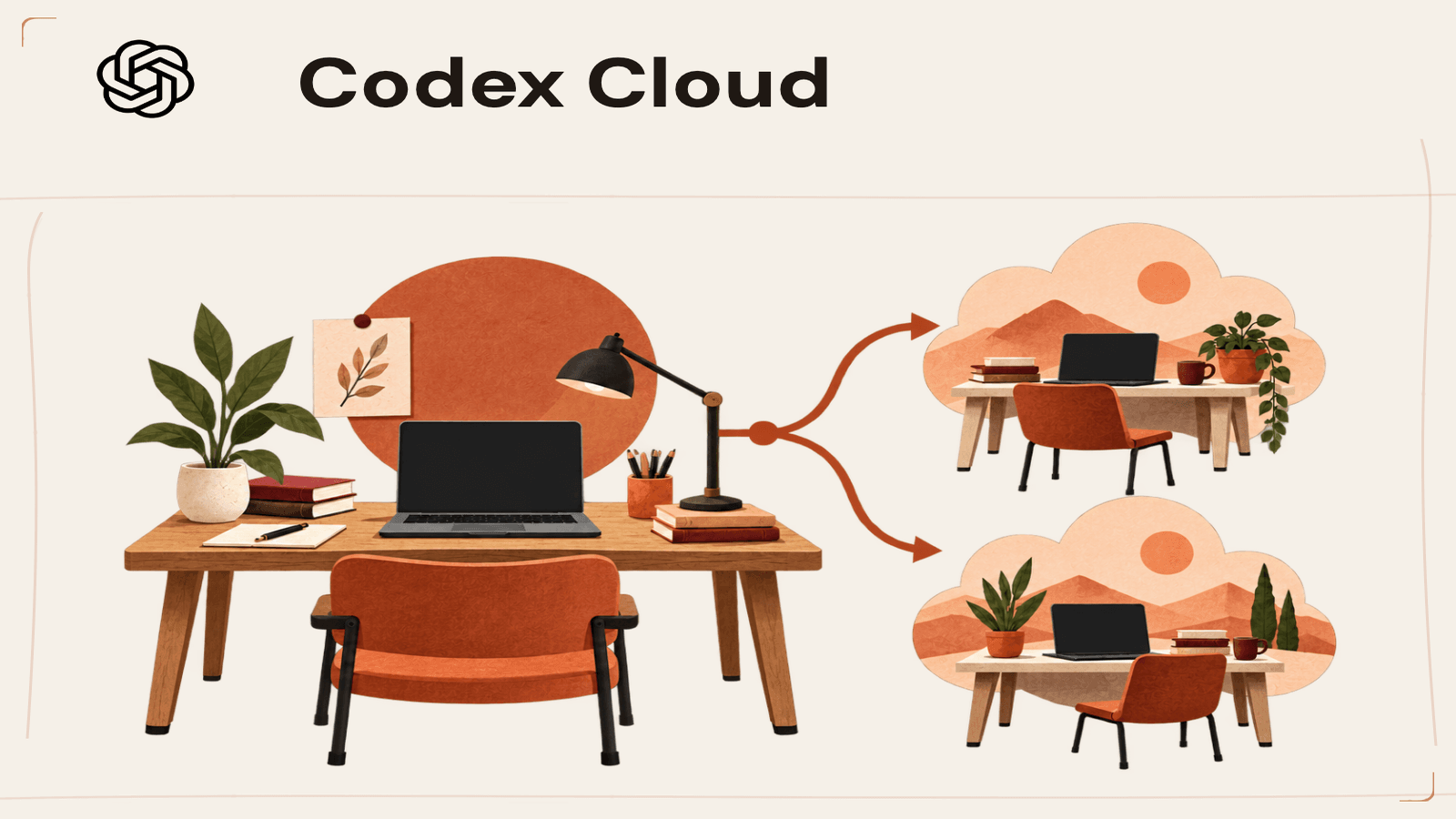
OpenAI announced reusable Codex Cloud environments at DevDay on September 29, 2026. The change targets a frustrating part of agent-assisted software work: getting a project ready before the actual task begins. You describe the setup, let Codex inspect and prepare it, review the result, test it, and publish it. New tasks can then start from that prepared environment in their own isolated workspace. That is a meaningful change to the starting conditions. It is not, by itself, evidence that a coding task finishes sooner or that a project has become reproducible.
This analysis uses OpenAI’s documentation checked on October 2, 2026. Feature availability is still rolling out and depends on account, plan and workspace controls. The distinction matters because “reusable environment” can sound like a shared, always-current developer workspace. OpenAI’s docs describe something more specific: a published filesystem and configuration used as a starting point for new tasks, while an existing task retains its own working state. If you are considering adoption, evaluate the environment as a maintained starting line. Ask whether it reduces repeated setup work without creating a brittle configuration that someone must constantly repair.
What the environment actually reuses
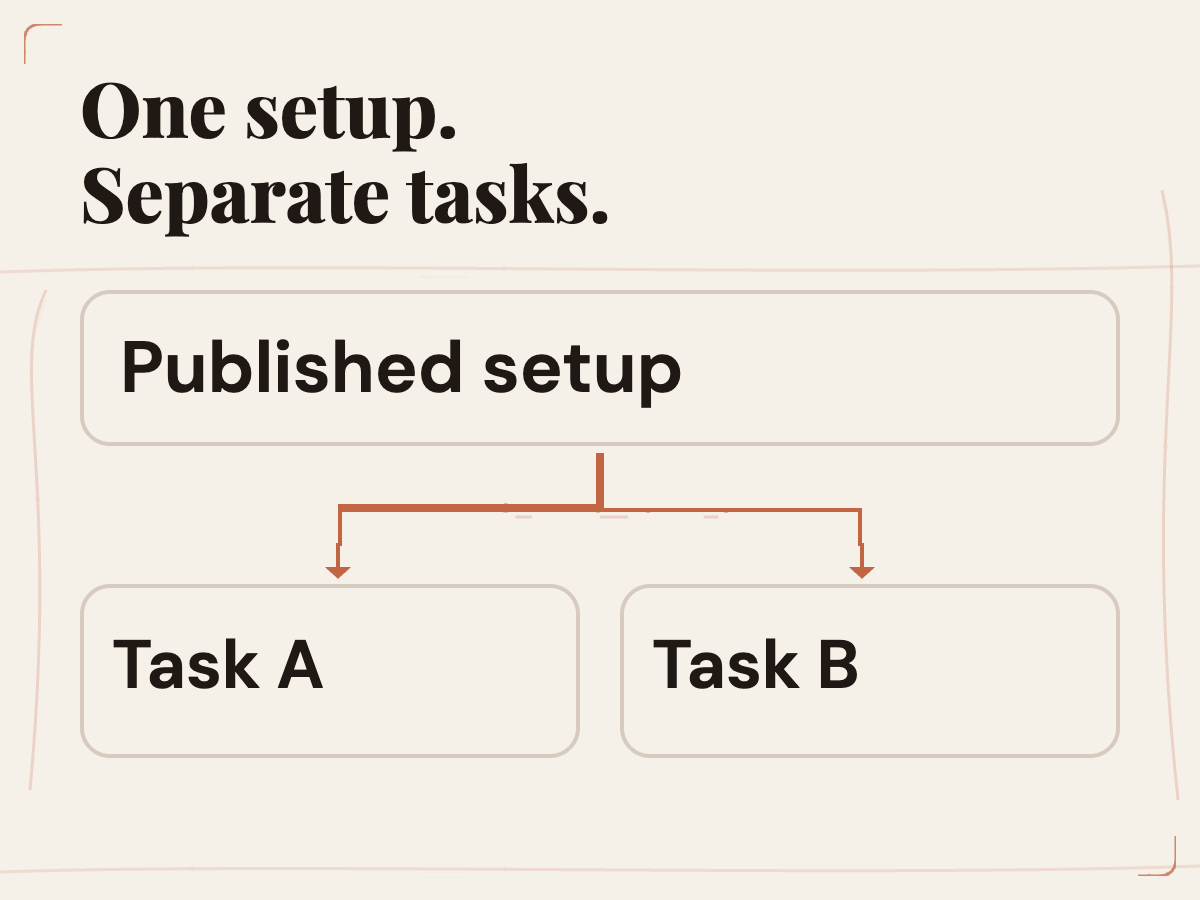
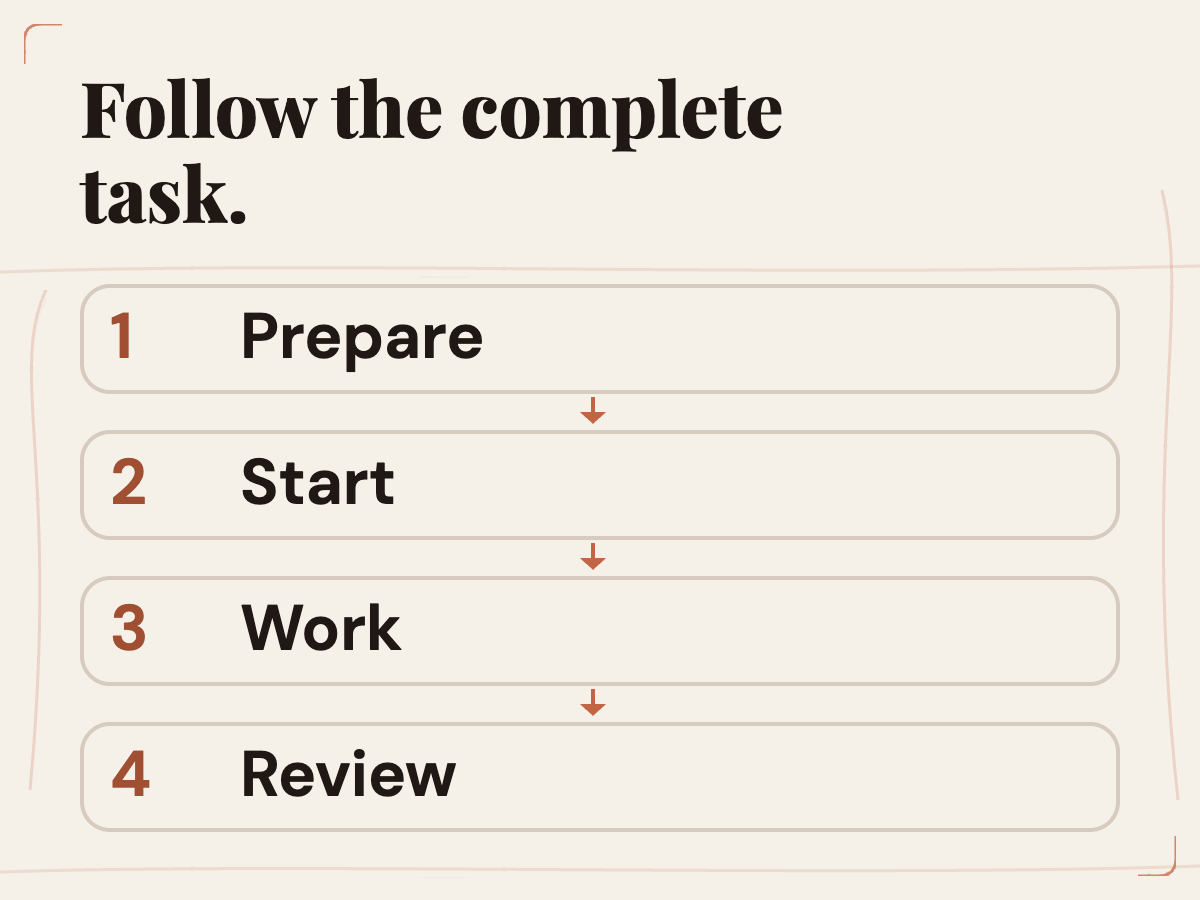
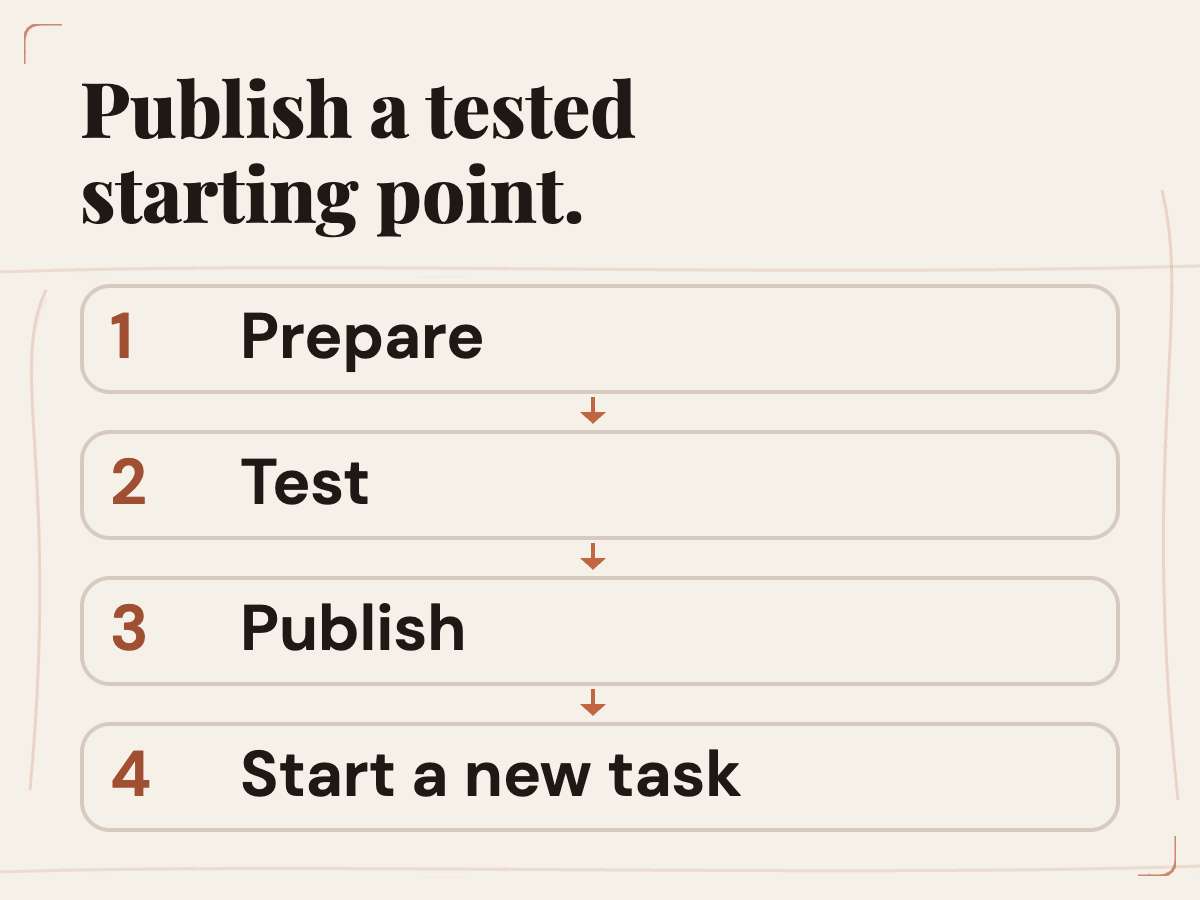
An environment brings together the repositories, dependencies, tools and access settings that Codex needs for cloud tasks. OpenAI’s cloud-environment guide says Codex inspects repositories, prepares the setup, and tests it with the user. The user can review the setup report, configuration and files, resolve unfinished work, save changes and publish. Installation and startup instructions can be recorded as part of the configuration.
 View image detail
This describes a repeatable preparation process, not a guarantee that every future job will behave the same. The repository can change. Dependencies can change. A test service can become unavailable. A setup instruction can become stale. Publishing gives new tasks a prepared baseline, but the baseline still has to be maintained as the project evolves.
That is why the phrase “one-time setup” deserves care. A team may avoid repeating the same installation work on every task, yet still need to revisit the setup when tools, credentials, services or project assumptions change. The economic question is whether maintaining a known-good baseline costs less than repeatedly reconstructing it and diagnosing inconsistent starts.
A prepared baseline is not one shared working copy
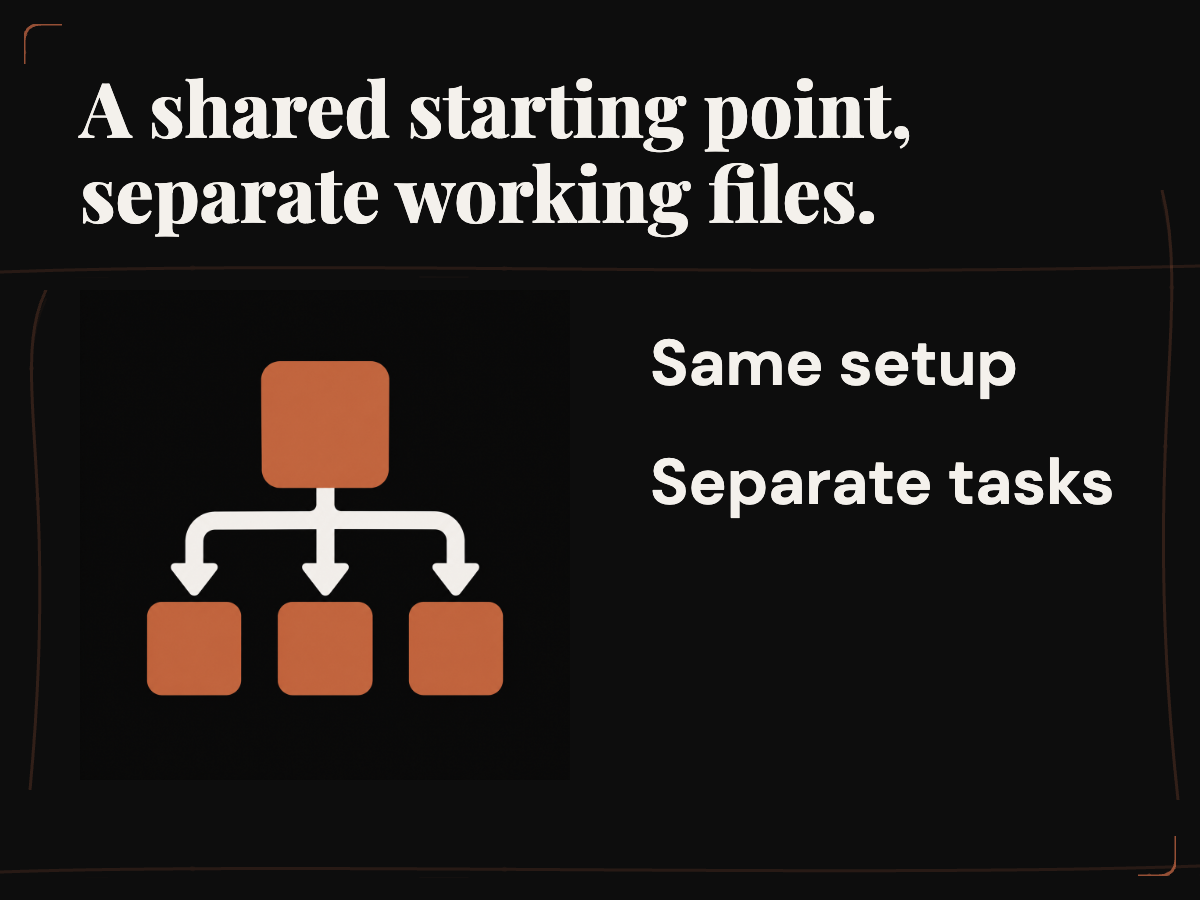
The most important mental model is branching. A published environment supplies prepared state. Each new task gets a separate isolated workspace from that published setup. The current cloud-environment documentation separately says an existing task continues with its own saved files, including uncommitted changes and installed tools. If you republish an updated environment, new tasks use the updated setup while existing tasks keep their own state.
That model is different from several things teams already know. It is not one shared working directory where every teammate watches the same files change. It is not a substitute for Git history. It is not a promise that an existing task will silently acquire the newest toolchain when someone republishes an environment. And it is not a magic merge mechanism between two tasks that started from the same baseline.
For a concrete example, imagine an engineering team asking Codex to triage a small class of API test failures. A reusable environment might prepare the repository, install dependencies and make the test command available. Task A and Task B each begin from the published setup, but they have separate changes. If Task A has an uncommitted fix, that fix is not automatically part of Task B’s workspace. Each result still needs review and a deliberate route back to source control.
 View image detail
Where the time could be saved, and where it may not
TechCrunch’s September 29 launch report describes quicker task starts as OpenAI’s intended benefit. That is a plausible benefit when repeated setup is a real bottleneck. But a faster start is not the same thing as a faster completed task. The total path includes task interpretation, code changes, tests, retries, review, integration and cleanup. If installation currently takes thirty seconds, removing it may be almost invisible. If a team loses time every day to version mismatch or a long manual bootstrap, a tested baseline might matter more.
The outcome depends on local conditions. A repository with a small dependency set and stable test commands may be easy to prepare. A project that relies on private services, interactive authentication, machine-specific paths or unusual hardware may need more careful setup and could still require human intervention. A warmed dependency cache does not mean all remote systems are ready or that a task starts instantly. Avoid translating a product design goal into a promise about your own workload.
There is a second possible cost: maintenance. Someone must decide which repositories belong in the environment, which versions and services are supported, how access should work, how a change is tested and when to republish. If teams publish slightly different versions without clear ownership, they can create more confusion instead of reducing it. The right comparison includes this work rather than counting only the preparation steps that disappeared from an individual task. For another example of an agent handoff that ends in human review, see Rise’s guide to turning coding-agent conversations into reviewed tasks.
A practical pilot that answers the useful question
Pick a recurring, bounded task in a repository where the setup is currently repeatable enough to compare. Do not start with a high-risk production change or a one-off task. Define the task in a way two independent runs can attempt, such as running a focused test suite and preparing a small, reviewable fix for a known issue. Keep the expected code change and acceptance criteria clear.
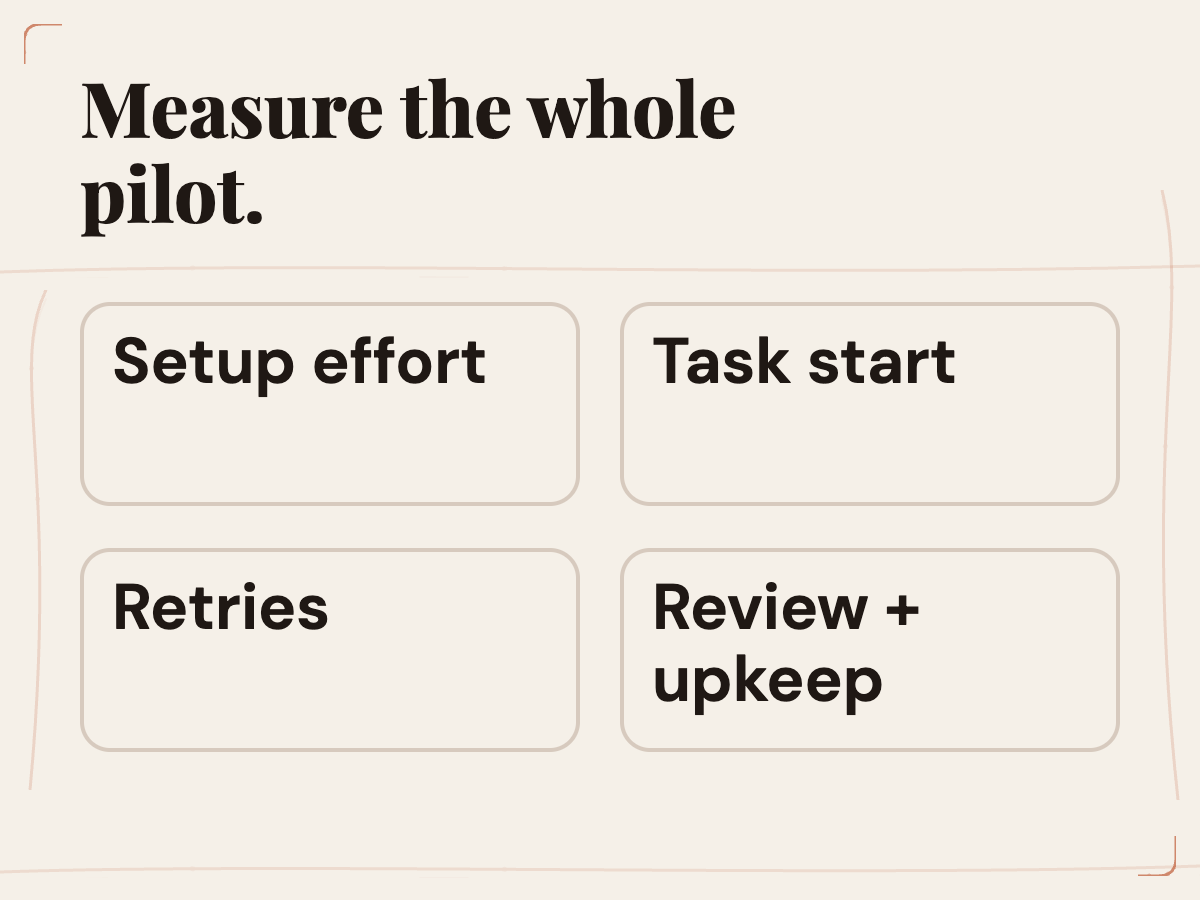
Then compare two routes: the current team setup and a published cloud environment. Use similar starting revisions and the same task instructions. Record elapsed time from task start to a reviewable result, but also capture where time went. Note whether dependencies installed, whether a service started, whether Codex needed clarifying input, whether the first test run worked, how many retries happened, and how much a human had to repair the environment or the result.
This is a proposed experiment, not a report of a test we ran. One task pair is only a signal. Repeat enough times to see whether a result is stable, and include the setup owner’s work. If the environment needs two hours to prepare and saves one minute per later task, the break-even horizon is different from a case where it removes an hour of repeated troubleshooting. Write down the threshold that would make adoption worthwhile before looking at the result.
 View image detail
Turn the pilot result into a specific decision
Imagine a small agency preparing recurring fixes for one client repository. This is a hypothetical decision exercise, not a test result. The owner’s concern is that different contributors repeatedly repair the same setup before reaching the issue. A reusable environment is worth trying because that is exactly the friction it is designed to package. The trial should still distinguish several possible outcomes.
If preparation becomes reliable but review takes the same amount of time, keep the environment for its tested consistency. Do not advertise a faster finished job. If starts are quicker but each dependency update breaks the baseline, assign the maintenance work before expanding use. If tasks fail because a service blocks the cloud connection, investigate that service boundary. Repeating installation or creating another environment will not answer a network-policy question.
If the agent produces more changes than the reviewer can comfortably assess, reduce the task scope. The environment may be functioning correctly while the assignment is too broad. Conversely, a clean setup that supports the focused test and yields a small, explainable patch has done a useful job even when the pilot does not produce a dramatic time saving.
Write the decision as a sentence: keep this setup for this task, change this part and retest, or stop this rollout because this dependency is unresolved. That conclusion gives the next person something to act on. A single “faster” score hides the difference between a good baseline, a bad assignment and a blocked service.
Measure the whole task, not a flattering stopwatch
A useful trial separates at least five intervals: environment preparation, task startup, time to the first useful action, time to a reviewable result, and human verification or repair. One clock cannot explain every result. A task can start quickly and still produce changes that take longer to review. Conversely, some setup delay may be worthwhile if it creates clearer, more repeatable evidence later.
Track failures as well as successful runs. Record missing dependencies, startup-command errors, network blocks, unavailable services, incorrect assumptions in the task prompt and changes that fail tests. A failure is not automatically proof that the environment is bad. The team needs to learn whether it came from a stale baseline, a transient service, an unclear task, a policy restriction or a real product limitation. Add the category and resolution, not just a red mark in a spreadsheet.
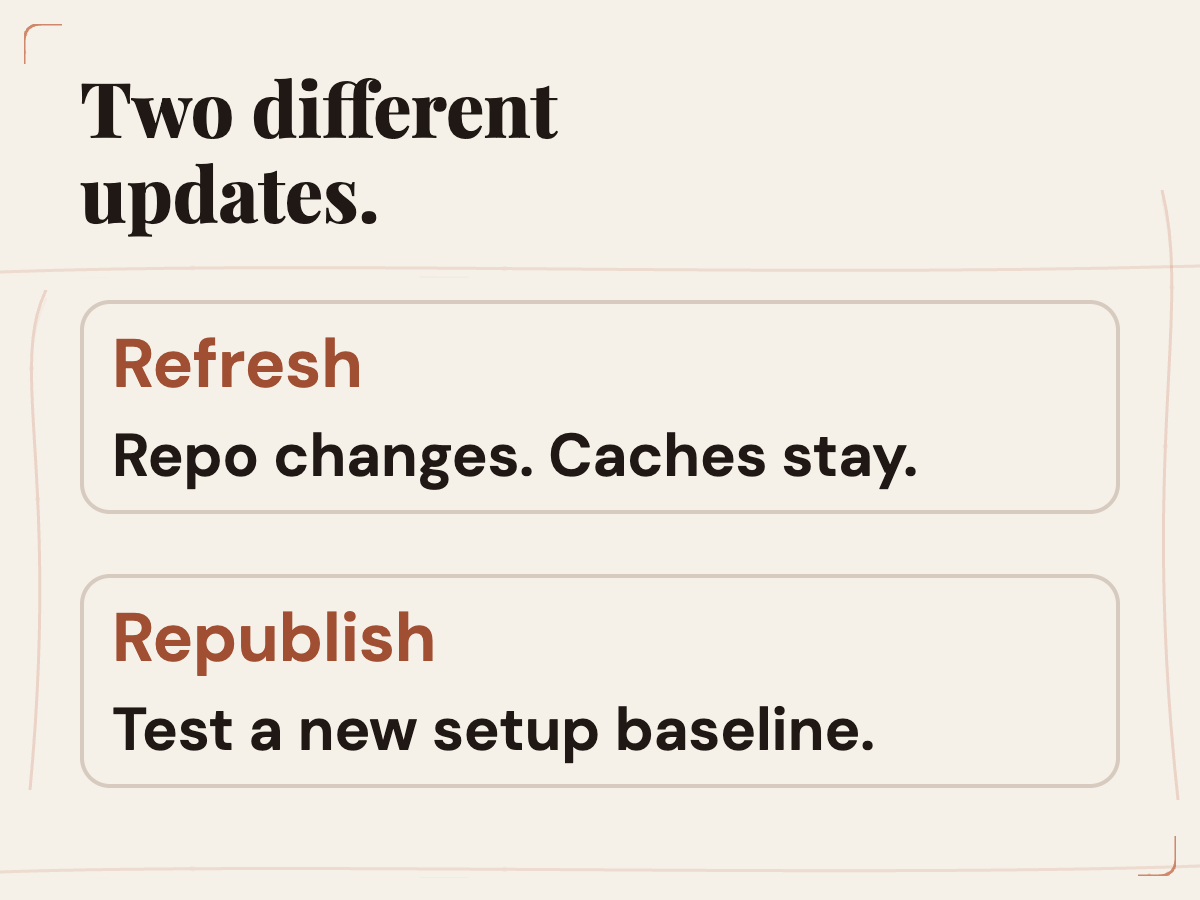
The baseline should be fair. Use the same source revision where possible, document differences in machine availability, and avoid comparing a first cold setup against a later cached run without labeling that distinction. If the environment receives background repository refreshes that preserve dependency caches, note the starting state and avoid attributing cache behavior to a universal product speed guarantee. These details make the test less dramatic but more useful.
Finally, include the work after the agent responds. Did a developer need to inspect the diff, rerun tests, confirm access or transfer work into the main repository? Was the task’s output easy to explain to a teammate? Useful automation reduces repetitive handling while leaving decisions and accountability legible. Time saved in one step is not a win if it becomes invisible review work somewhere else.
 View image detail
Repository refresh and setup drift
OpenAI’s saved-state guide documents background repository refresh that preserves dependency caches rather than rerunning installation or startup commands. This can be helpful, but it creates a maintenance question: what is refreshed, what remains prepared, and which changes require a deliberate environment update? The published configuration should have an owner and a small change process, even if the initial setup was created conversationally.
 View image detail
A light operating rule can keep that manageable. Name the environment after its project and job. Record the repository and branch assumptions. Keep install and startup behavior understandable. Test the important command after changing dependencies. Review the access and network settings when a task begins requiring new resources. Republish only after the prepared setup has been checked. These are recommendations based on the documented setup model, not requirements that OpenAI mandates in exactly this form.
Avoid treating an environment as a frozen “golden image” that never needs review. A stable baseline is useful because people know what it means. A stale baseline is dangerous because people assume it means more than it does. A simple changelog can answer: what changed, why, which new tasks should use it, and what test confirmed readiness? Existing tasks retain their own state, so operators should not expect a new publication to retrofit work already in progress.
 View image detail
When to publish, and when to stay with the current path
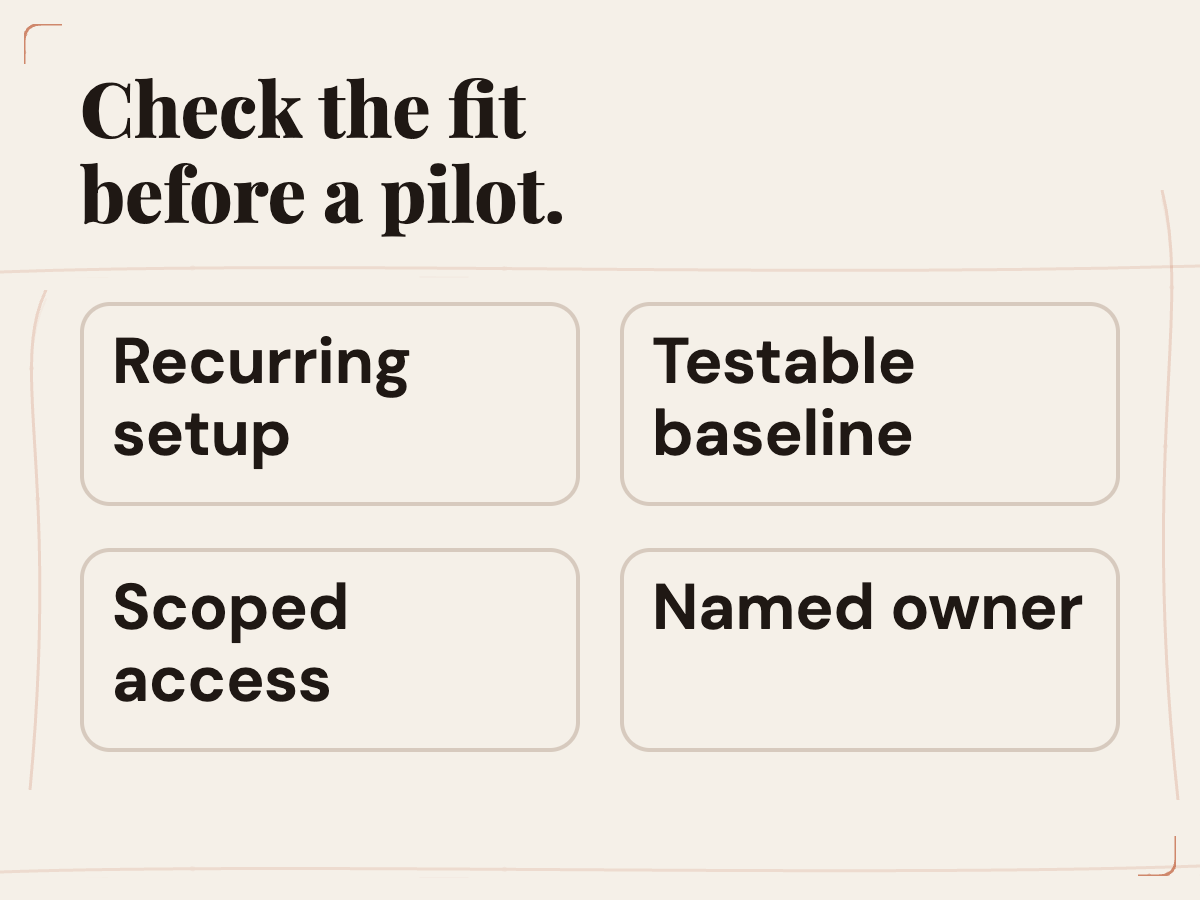
A reusable environment is a strong candidate when the same repository is used for recurring tasks, the setup steps are understood, tests can confirm readiness, the project’s access can be bounded, and a person or team can maintain the environment. It is also useful when work must continue without keeping one developer’s computer active, because Codex Cloud is designed for tasks that run remotely and can be continued on supported devices. Before choosing the product, first define the recurring job and the human decision it serves; Rise’s five-part automation test is a practical way to do that.
Stay with the current setup, or run a smaller experiment first, when work depends on an interactive local environment, hardware that is not available in the cloud, credentials or services whose handling has not been reviewed, or a one-time repository task that does not justify preparation. A workflow that only works on one developer’s laptop may have a real reproducibility problem, but a new cloud environment does not automatically resolve it. First identify which dependency, permission or service is local and whether the remote path is supported.
The answer may also be “publish it, but only for a narrow group.” Sharing configuration and access is a different decision from proving a productivity return. A team can begin with one bounded task and a small authorized audience, document what they learn, then decide whether to expand. Separate rollout scope from performance claims.
 View image detail
A decision rule for the team
Use a short rule: publish an environment when the recurring setup cost is visible, the prepared state can be tested, and an owner can maintain it. Keep it in a pilot when the likely benefit is plausible but not yet measured. Do not scale it because the word “reusable” sounds like guaranteed acceleration.
Before a pilot, agree on the measure that matters. That might be fewer setup interventions, a shorter median time to first useful command, fewer dependency mismatches, or a more consistent testable starting point. Choose only the measures that fit your actual pain. Include the time required to build and maintain the environment. Define a stop condition, such as recurring failures that require manual repair or a credential path that has not been approved.
After the pilot, report what happened in plain language: what task was tried, how many comparable runs were observed, what improved, what did not, which failures occurred, and which people did the review. Do not summarize a handful of runs as a general product benchmark. Share the result as a local decision about one project and one workflow. Keep the conclusion tied to the project and task you observed.
 View image detail
Mobile continuation is useful, but not magic
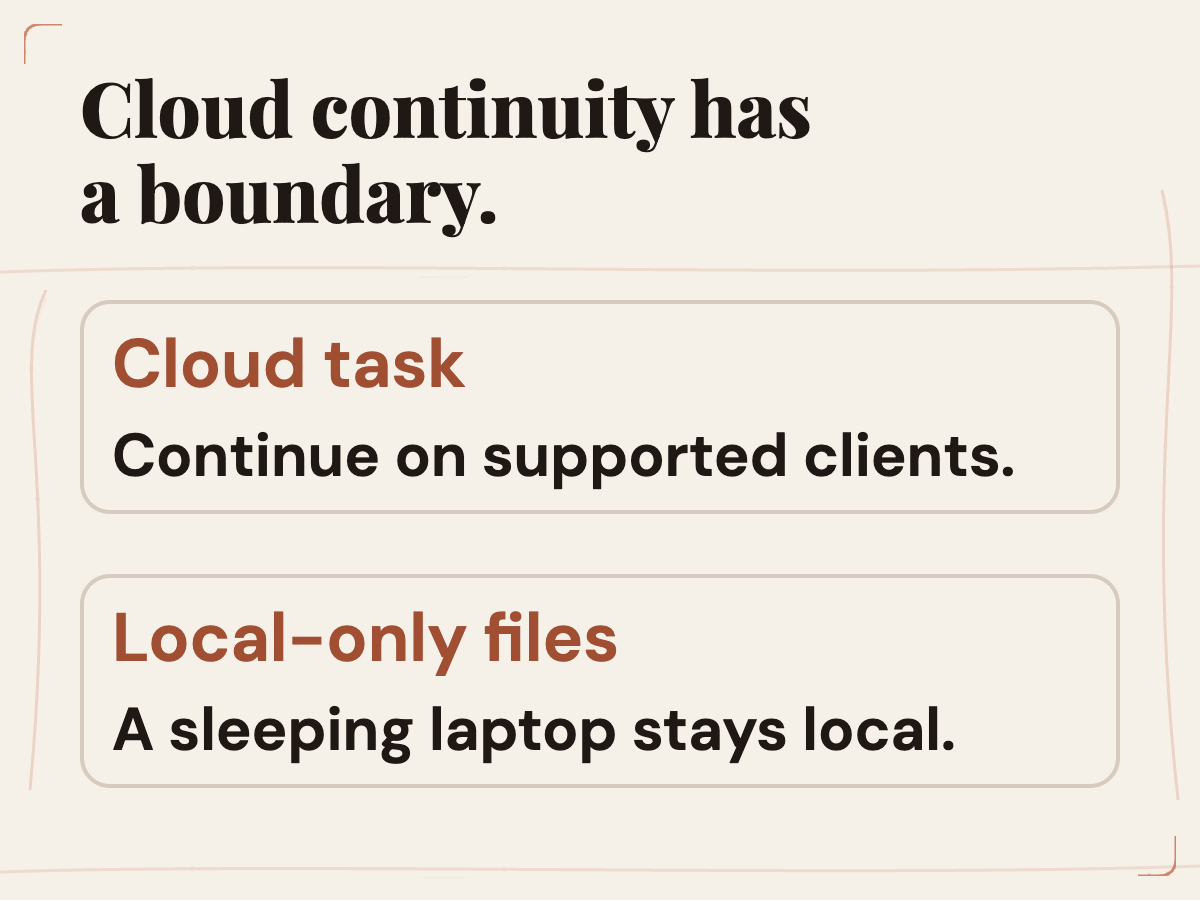
OpenAI’s Codex Cloud Help Center guide says cloud tasks can be continued from desktop, web or mobile after an environment is prepared, and the computer can be asleep. That changes where a developer may review and continue a cloud task. It does not mean Codex can read files from a sleeping laptop, nor does it erase the boundary between local execution and cloud execution. The Help Center distinguishes remote cloud tasks from remote access to a task running on your own computer. This also differs from a persistent agent assignment; Rise’s guide to delegating one recurring responsibility to OpenAI Dots examines that separate model.
This can be valuable for checking progress, giving a follow-up instruction or reviewing an outcome away from a desk. But teams should design the task so that a useful checkpoint is visible. If someone must be physically at a workstation to supply an undocumented secret, answer a series of questions or start a local service, the mobile path may not be as continuous as it sounds. Identify those dependencies during the pilot rather than promising a seamless handoff in advance.
The idea is not to encourage people to supervise code from every place at every hour. It is to make a specific cloud task accessible across supported clients when that is useful. A humane productivity system makes work easier to pick up without making work impossible to put down. Decide what deserves an alert, what can wait for a review window and what requires an authorized person to act.
 View image detail
Keep source control and human review in the loop
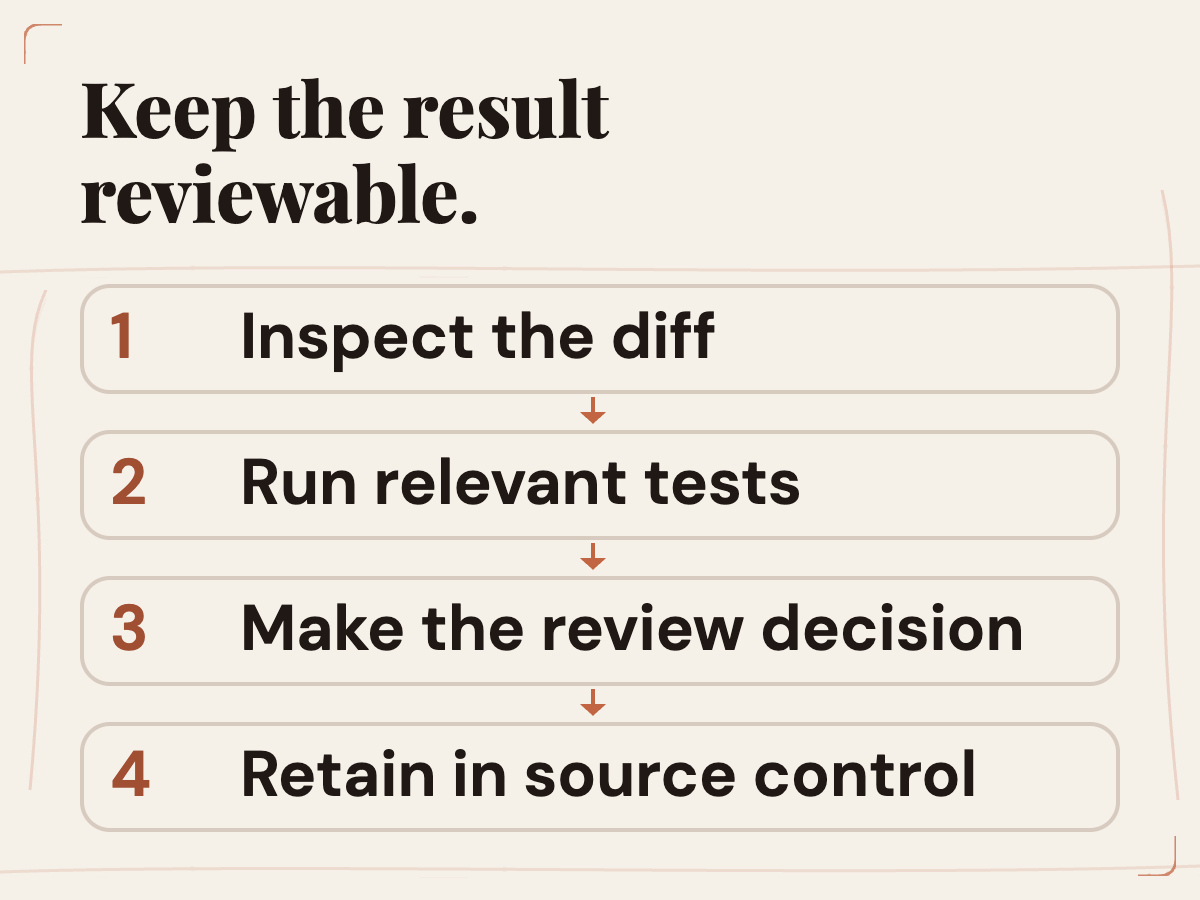
The official guidance recommends committing important work to source control because saved task state is not a replacement for Git. That principle should shape the workflow. A task’s uncommitted changes belong to that task’s own state. Teams need a clear way to inspect the patch, run the relevant checks, record why it should be retained and deliberately move it through their normal collaboration path.
Do not measure success by how much code an agent generated or how many tasks ran while a computer slept. Measure whether the team received a useful, reviewable result at acceptable cost and risk. A task that runs unattended but returns an opaque diff may create more work for reviewers. A task that prepares evidence, states what it changed and flags what it did not verify can make human judgment more effective, even when wall-clock savings are modest.
The cloud environment is one part of that operating system. It can provide a known setup and isolated place to work. It cannot decide which change is correct, whether a test suite is sufficient, or whether a risky deployment should proceed. Treat the prepared environment as support for the work, not as a substitute for judgment.
Choose one task before expanding the setup
Codex Cloud reusable environments are best understood as a way to prepare and publish a project setup that new tasks can reuse. The setup is shared by reference as a starting baseline; task workspaces remain isolated, and existing tasks retain their own state. That is already useful for teams who repeatedly assemble the same tools and dependencies.
The next question is local and testable. Choose one recurring task, compare the full path with your current workflow, include failures and maintenance, and agree in advance what improvement would justify adoption. If the result is good, document the tested setup and give it an owner. If the result is mixed, change one thing and try again. If the remote path cannot safely or reliably support the task, keep it out of the rollout.
Choose the recurring task, name the setup owner and define the evidence you will inspect. Then run the comparison. Keep the prepared environment when it makes that work easier to start and maintain; narrow it or stop when the unresolved dependencies outweigh the benefit. That is a useful adoption decision your team can explain.
Sources and further reading
Checked for this article
Sources
Keep going
Related notes.
Automation and Agents
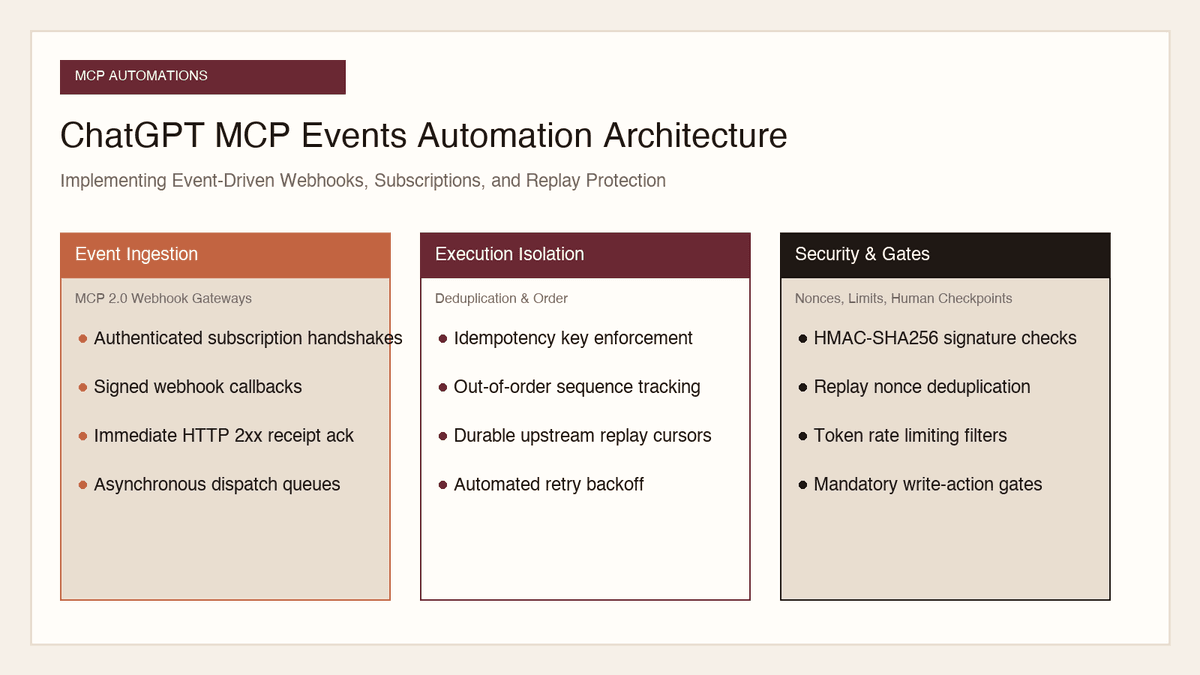
How to Implement MCP Events in ChatGPT: Event-Triggered Automations
Autonomous conversational agents no longer need to rely on wasteful polling loops. Here is how to implement event-triggered automations using ChatGPT MCP Events.
Read the article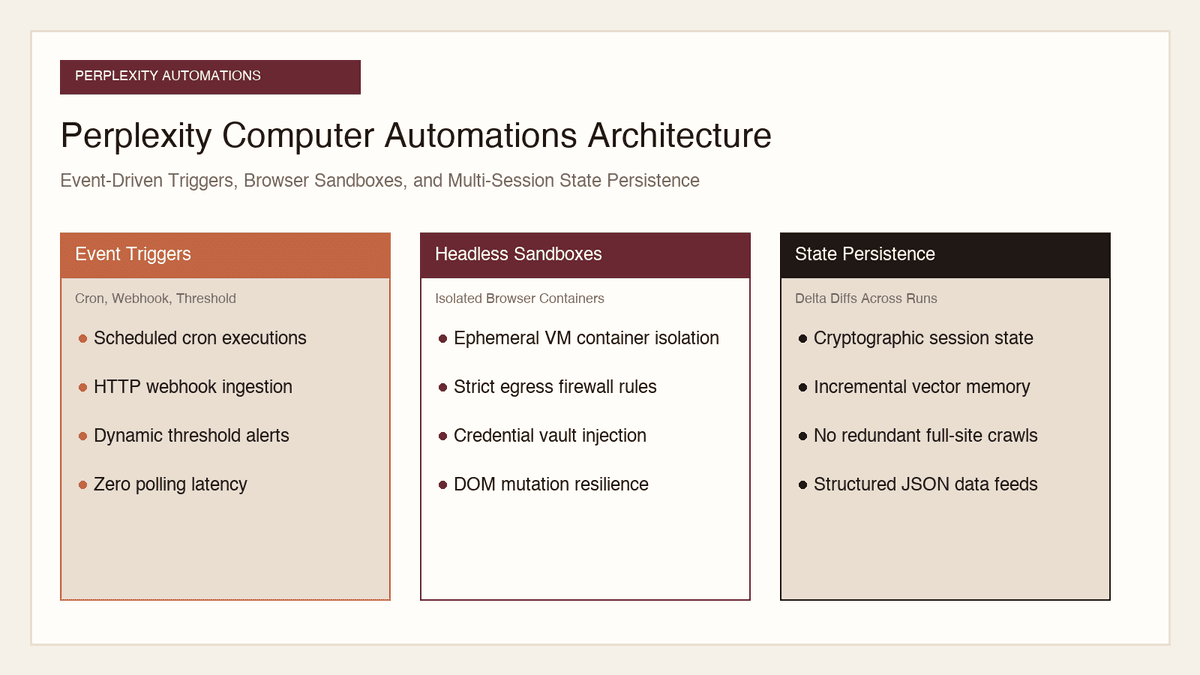
Automation and Agents
How to Build Recurring Web Automations with Perplexity Computer
Web scraping scripts break whenever a layout shifts. Here is how to build durable, recurring web automations using Perplexity Computer and persistent state.
Read the article
Automation and Agents
How to Benchmark Classifier Models: Latency, Cost, Determinism
Evaluating AI classifiers requires looking beyond static accuracy. Here is how to benchmark probability calibration, latency percentiles, and unit economics.
Read the article